$49.99 $0.83/serving
View Profile You must be at least 18 years old to enter this site.
This is a legal, non-psychoactive functional mushroom guide. Talk with your clinician first if you take blood thinners, diabetes medications, immune-modulating drugs, or are in cancer treatment.
Best supplement form
Compare products that match the form most often recommended for Antrodia.
Evidence summary
3 cited references reviewed for the Antrodia guide.
For healthy aging
See how Antrodia compares with Reishi, Chaga, and Turkey Tail for older adults.
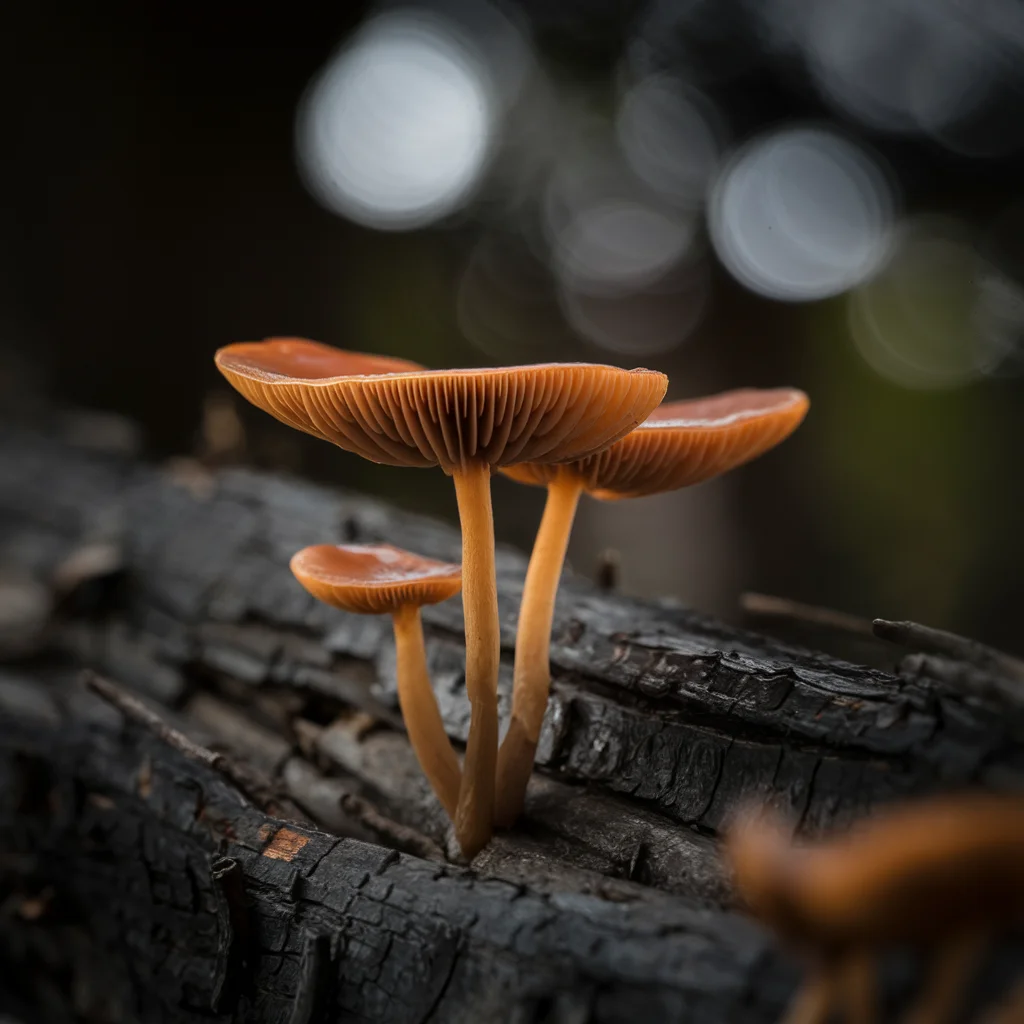
Antrodia camphorata (syn. Antrodia cinnamomea, Taiwanofungus camphoratus) is a rare parasitic fungus endemic to Taiwan, belonging to the family Fomitopsidaceae. It grows exclusively on the inner heartwood of the endangered Cinnamomum kanehirae (stout camphor tree), producing a distinctive orange-red to salmon-colored fruiting body with a porous, irregularly shaped surface. Due to the extreme rarity of its host tree and its slow growth rate, wild A. camphorata commands prices exceeding $500 per kilogram, earning it the designation 'ruby of the forest' in Taiwan. The fungus produces a remarkable diversity of bioactive metabolites, including antroquinonol (a ubiquinone derivative with documented anti-cancer activity), over 70 identified triterpenoids, polysaccharides, succinic acid derivatives, and maleic acid derivatives, collectively demonstrating hepatoprotective, anti-inflammatory, anti-fatigue, immunomodulatory, and anti-tumor properties.
#24
Popularity Rank
Moderate
Research Level
3
References
5
Key Compounds
Independent Research Review · Last Reviewed May 3, 2026
Antrodia (Antrodia camphorata) is a functional mushroom with a moderate level of scientific research supporting its use. Its primary bioactive compounds - Antroquinonol, Triterpenoids, Polysaccharides, and 2 others - have been studied for benefits including liver protection, anti-fatigue, anti-inflammatory, immune support. Several preclinical studies and initial human trials support these uses, though additional clinical research is ongoing. Antrodia is ranked #24 in popularity among functional mushroom species, with 3 cited research references in our database. The most commonly recommended form is antrodia cinnamomea extract with species, triterpene, and safety testing. Typical supplemental dosages range from 500 mg to 3,000 mg per day depending on extract concentration and intended use.
Buyer decision guide
Use this section to compare evidence strength, active compounds, researched forms, and safety limits for antrodia.
Antrodia camphorata shows moderate research support primarily from preclinical studies for hepatoprotective, antioxidant, anti-inflammatory, and neuroprotective effects. One human clinical trial found Golden-Antrodia camphorata improved liver function in patients with liver disease over 12 weeks. Traditional use in Taiwan targets liver issues, fatigue, and immunity, but broader human evidence remains limited.
Key compounds include antroquinonol, triterpenoids (e.g., antcin A, K), polysaccharides, succinic/maleic acid derivatives, and benzoquinones. These contribute to reported antioxidant, hepatoprotective, anti-inflammatory, and neuroprotective activities in preclinical models. Fruiting bodies and mycelium differ in potency for certain effects like anti-Aβ neuroprotection.
Golden-Antrodia camphorata mycelium extracts containing antroquinonol demonstrated hepatoprotective effects in a 12-week human trial post-alcohol consumption. Fruiting bodies show stronger preclinical anti-neurotoxic activity than mycelium. Fermented mycelium filtrate prevented liver fibrosis in rat models. Human data favors standardized extracts over raw forms.
A 12-week human trial of Golden-Antrodia camphorata reported no adverse effects on liver function or safety parameters. Preclinical studies confirm low toxicity, with free radical scavenging and anti-inflammatory mechanisms. Consult physician for liver conditions; limited long-term human safety data available.
Antrodia has moderate research support with several preclinical studies and some human trials. More research is needed to confirm benefits.
Antrodia camphorata is Taiwan's most treasured medicinal mushroom — so rare and valuable that it has been called the "ruby of the forest." It grows exclusively on the inner heartwood of a single tree...
Antrodia has been used in traditional medicine systems for centuries, particularly in Traditional Chinese Medicine (TCM) and other Asian healing practices.
Historical Context: Traditional use does not guarantee efficacy or safety. Modern research is ongoing to validate traditional claims.
Antrodia camphorata is Taiwan's most treasured medicinal mushroom — so rare and valuable that it has been called the "ruby of the forest." It grows exclusively on the inner heartwood of a single tree species, the stout camphor tree (Cinnamomum kanehirae), which is itself endangered and found only in Taiwan's old-growth forests. Wild specimens can sell for over $500 per kilogram, making it one of the most expensive medicinal mushrooms in the world. Its distinctive orange-red fruiting body is unmistakable and has become a symbol of Taiwanese traditional medicine.
People seek out Antrodia primarily for liver protection and anti-fatigue benefits. In Taiwan, it has been used for generations as a remedy for liver ailments, alcohol-related damage, and general exhaustion. Modern research has identified antroquinonol — a unique compound found only in this mushroom — that has shown remarkable hepatoprotective properties in laboratory studies, protecting liver cells from alcohol and toxin-induced damage. The Taiwanese government has invested significantly in Antrodia research, and it is one of the most studied medicinal mushrooms in Taiwanese academia.
The traditional use of Antrodia dates back to Taiwan's indigenous peoples, who discovered the mushroom growing inside hollow camphor trees and used it to treat liver complaints, food poisoning, and fatigue. As Taiwan modernized, Antrodia became a premium health product, with wild-harvested specimens commanding extraordinary prices. The scarcity of wild Antrodia has driven the development of sophisticated cultivation techniques, including solid-state fermentation and liquid culture methods that make the mushroom's benefits more accessible.
Antrodia supplements are available primarily in capsule and liquid extract form. Due to the mushroom's rarity, most commercial products use cultivated mycelium or fermentation-derived extracts rather than wild fruiting bodies. Typical dosages range from 500 mg to 1,500 mg per day. The supplement market for Antrodia is largest in Taiwan and Southeast Asia, but it is increasingly available in Western markets through specialty supplement retailers.
When shopping for Antrodia supplements, be aware that quality varies significantly. Look for products that specify whether they use fruiting body extract, mycelium, or fermentation broth, as the bioactive compound profiles differ. Products standardized to triterpenoid or antroquinonol content are generally considered higher quality. Third-party testing is especially important for Antrodia, given the high value of the raw material and the potential for adulteration.
Antrodia is often combined with other liver-supporting ingredients like milk thistle, NAC (N-acetyl cysteine), and reishi mushroom for comprehensive liver health protocols. In Taiwan, it is also popular among athletes and professionals seeking anti-fatigue benefits, sometimes combined with cordyceps for enhanced energy and endurance. While Antrodia remains a niche ingredient in Western markets, its unique bioactive profile and growing research base suggest it may become more prominent as global interest in medicinal mushrooms continues to expand.
Products containing Antrodia camphorata extracts, with emphasis on verification, format, and practical daily use.

M2 Ingredients


Personalized dosage recommendations based on your experience level, body weight, and goals.
Independent Research Review
The editorial team reviews mushroom encyclopedia entries for sourcing, clarity, safety caveats, and citation support.
Last reviewed: May 3, 2026
Click anywhere or press Escape to close