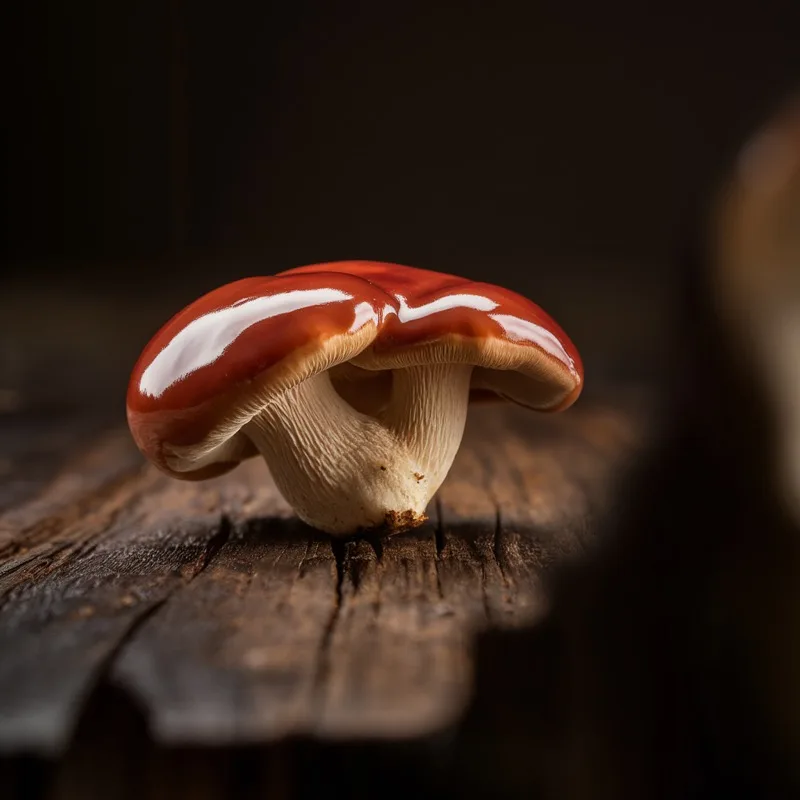
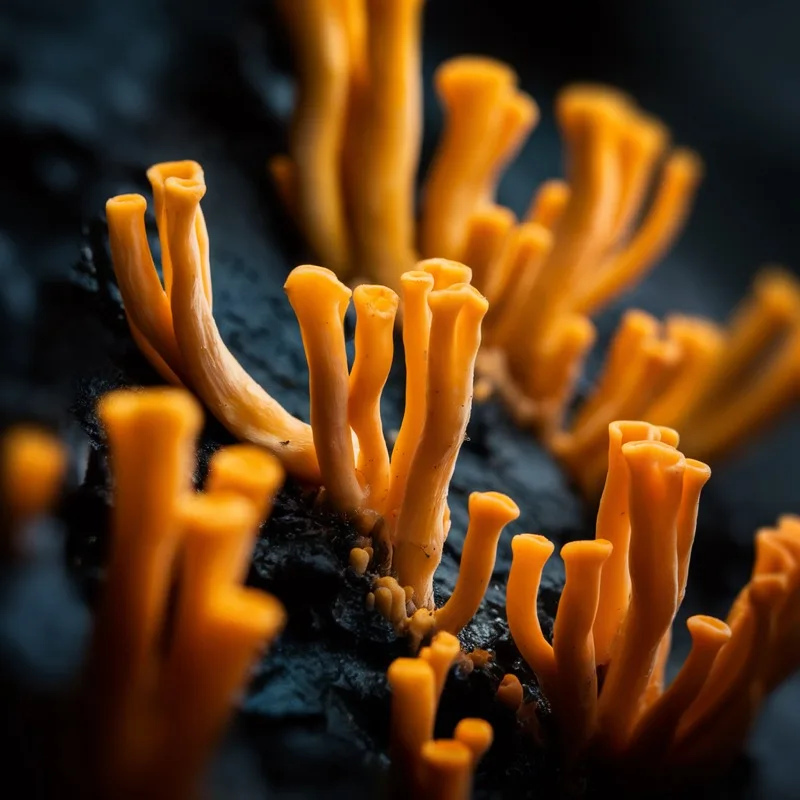
Antrodia camphorata is Taiwan's most treasured medicinal mushroom — so rare and valuable that it has been called the "ruby of the forest." It grows exclusively on the inner heartwood of a single tree species, the stout camphor tree (Cinnamomum kanehirae), which is itself endangered and found only in Taiwan's old-growth forests. Wild specimens can sell for over $500 per kilogram, making it one of the most expensive medicinal mushrooms in the world. Its distinctive orange-red fruiting body is unmistakable and has become a symbol of Taiwanese traditional medicine.
People seek out Antrodia primarily for liver protection and anti-fatigue benefits. In Taiwan, it has been used for generations as a remedy for liver ailments, alcohol-related damage, and general exhaustion. Modern research has identified antroquinonol — a unique compound found only in this mushroom — that has shown remarkable hepatoprotective properties in laboratory studies, protecting liver cells from alcohol and toxin-induced damage. The Taiwanese government has invested significantly in Antrodia research, and it is one of the most studied medicinal mushrooms in Taiwanese academia.
The traditional use of Antrodia dates back to Taiwan's indigenous peoples, who discovered the mushroom growing inside hollow camphor trees and used it to treat liver complaints, food poisoning, and fatigue. As Taiwan modernized, Antrodia became a premium health product, with wild-harvested specimens commanding extraordinary prices. The scarcity of wild Antrodia has driven the development of sophisticated cultivation techniques, including solid-state fermentation and liquid culture methods that make the mushroom's benefits more accessible.
Antrodia supplements are available primarily in capsule and liquid extract form. Due to the mushroom's rarity, most commercial products use cultivated mycelium or fermentation-derived extracts rather than wild fruiting bodies. Typical dosages range from 500 mg to 1,500 mg per day. The supplement market for Antrodia is largest in Taiwan and Southeast Asia, but it is increasingly available in Western markets through specialty supplement retailers.
When shopping for Antrodia supplements, be aware that quality varies significantly. Look for products that specify whether they use fruiting body extract, mycelium, or fermentation broth, as the bioactive compound profiles differ. Products standardized to triterpenoid or antroquinonol content are generally considered higher quality. Third-party testing is especially important for Antrodia, given the high value of the raw material and the potential for adulteration.
Antrodia is often combined with other liver-supporting ingredients like milk thistle, NAC (N-acetyl cysteine), and reishi mushroom for comprehensive liver health protocols. In Taiwan, it is also popular among athletes and professionals seeking anti-fatigue benefits, sometimes combined with cordyceps for enhanced energy and endurance. While Antrodia remains a niche ingredient in Western markets, its unique bioactive profile and growing research base suggest it may become more prominent as global interest in medicinal mushrooms continues to expand.