In 2005, a randomized controlled trial enrolled 132 patients with neurasthenia — persistent fatigue, irritability, and inability to relax — and gave half of them a Ganoderma lucidum polysaccharide extract for eight weeks. The Reishi group showed significantly greater improvements in fatigue, anxiety, and overall well-being than placebo. Not a single patient dropped out due to adverse effects. That combination — meaningful efficacy, near-zero side effects — is exactly why Reishi has maintained its reputation as the cornerstone adaptogen in East Asian medicine for over 2,000 years.
What Is Reishi?
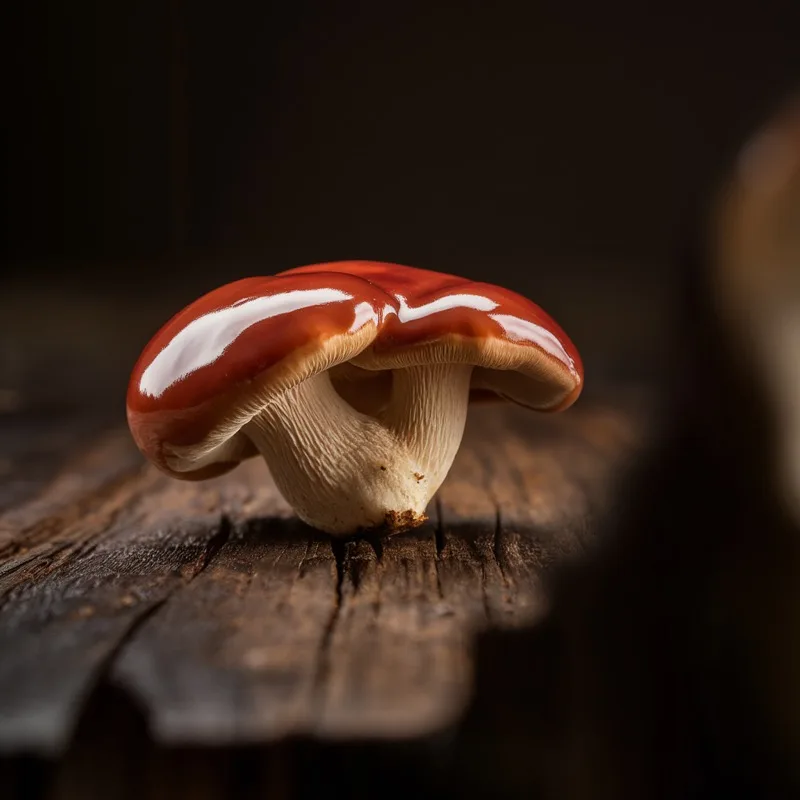
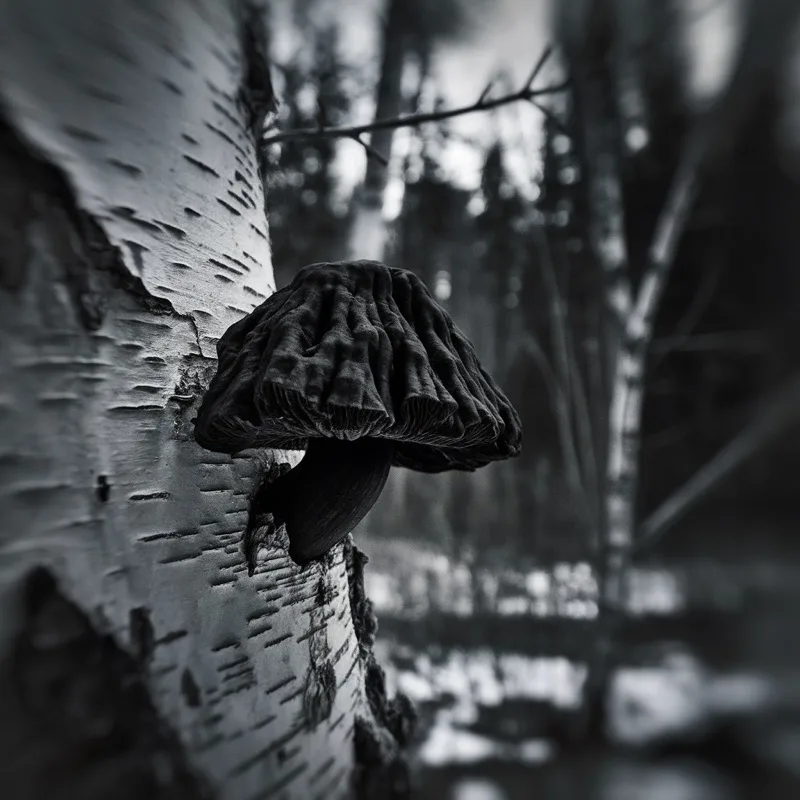
Reishi (Ganoderma lucidum) is immediately recognizable: a large, fan- or kidney-shaped shelf mushroom with a distinctive lacquered surface that gleams reddish-brown, as if coated in high-gloss varnish. This shiny appearance — caused by waxy triterpenoids on the cap — gave rise to the Chinese name "Lingzhi" (spirit mushroom). It grows on decaying hardwood in hot, humid subtropical forests, now cultivated worldwide.
In Traditional Chinese Medicine, Reishi has been documented as the most supreme medicinal substance for at least 2,000 years — outranking even ginseng in ancient texts like the Shennong Bencao Jing. It was categorized as a "superior herb" that could be taken continuously without toxicity. Because it was rare in the wild, it became associated with emperors and immortals. Unlike most medicinal mushrooms, Reishi is not eaten as food — it's tough, woody, and intensely bitter. Its compounds are extracted through prolonged hot water simmering and alcohol extraction.
⚡ Key Fact
Over 130 distinct triterpenoid compounds have been identified in Reishi — including ganoderic acids A through Z. These are responsible for its bitter taste and adaptogenic effects, modulating the HPA stress axis to produce calm without drowsiness.
The Science: How It Works
Reishi's pharmacological profile is driven by two main compound classes: polysaccharides (beta-1,3/1,6-glucans) and triterpenoids. The triterpenoids modulate the HPA axis — your body's stress response system — dampening overactivation without causing sedation. This is the mechanism behind Reishi's reputation as a "calm without drowsiness" herb.
The beta-glucan polysaccharides bind to receptors on immune cells (TLR-2, dectin-1, complement receptor 3) and act as immunomodulators — calibrating the immune system toward appropriate responsiveness rather than simply boosting it. A 2023 RCT by Chen et al. found that 84 days of daily Reishi beta-glucan supplementation significantly increased T-lymphocytes, NK cell activity, and other immune markers in healthy adults.
Proven Benefits
- ✓
Stress & Anxiety Relief: The 2005 Tang et al. neurasthenia trial demonstrated significant improvements in fatigue, anxiety, and well-being versus placebo over 8 weeks. Reishi's adaptogenic triterpenoids help the body maintain homeostasis under stress.
- ✓
Sleep Quality: Many users report improved sleep onset and depth within 2–4 weeks. The calming triterpenoids support relaxation without sedation, making it ideal as an evening supplement.
- ✓
Immune Modulation: The Chen 2023 RCT showed clinically meaningful increases in T-cells, NK cells, and other immune markers after 84 days in healthy adults — demonstrating immunomodulation without existing immune conditions.
- ✓
Liver Protection: Ganoderic acids have demonstrated hepatoprotective effects in multiple studies, supporting liver detoxification pathways and reducing liver enzyme elevations in animal models of liver stress.
💊 Recommended Dosage
1,000–3,000 mg/day of dual-extracted (water + alcohol) fruiting body extract. The Tang 2005 trial used a polysaccharide extract for 8 weeks. Take in the evening for sleep support. Dual extraction is important for Reishi — hot water captures polysaccharides while alcohol captures the 130+ triterpenoids. Look for products specifying both extraction methods.
⚠️ Safety: Excellent safety profile across millennia of use. Rare mild effects include dry mouth, GI upset, or dizziness at high doses. People on anticoagulants or immunosuppressants should consult their doctor. Avoid during pregnancy due to limited safety data in this population.