
🏆 Editor's Pick 🏆

$55.00 $1.83/serving
View Review
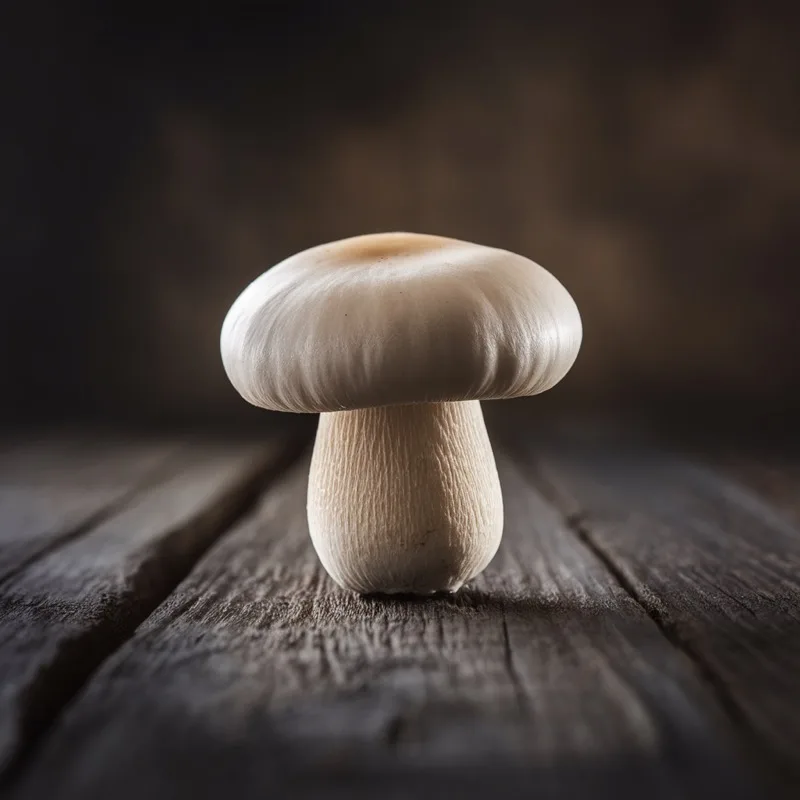
Agaricus bisporus

Board-Certified Physician · Medical Reviewer · Last Reviewed February 12, 2026
Latin Name
Agaricus bisporus
Research Level
Extensive
Popularity
#11 Ranked
Cited Studies
3 References
Agaricus bisporus is a basidiomycete fungus belonging to the family Agaricaceae, native to grasslands in Eurasia and North America. This saprotrophic species thrives in humus-rich soil and compost, with a pileus that is initially hemispherical and becomes convex to flattened with age, gills that progress from pink to dark brown, and a stipe bearing a persistent annulus. Key pharmacological properties are attributed to its rich composition of polysaccharides (β-glucans), ergosterol (a precursor to vitamin D2 upon UV exposure), and ergothioneine — a powerful antioxidant amino acid — which exhibit antioxidant, anti-inflammatory, and immunomodulatory effects.
💡 Key Insight
In plain English, the White Button mushroom is the one you already know — it's the small, smooth, white-capped mushroom sitting in virtually every grocery store produce section worldwide. It's the…
In plain English, the White Button mushroom is the one you already know — it's the small, smooth, white-capped mushroom sitting in virtually every grocery store produce section worldwide. It's the same species as cremini (brown) mushrooms and portobellos; the difference is just the stage of maturity and the strain. White Buttons are simply harvested youngest, cremini are a bit older and browner, and portobellos are fully mature with wide, open caps. Together, they account for roughly 90% of all mushrooms consumed in the United States.
Because they're so common and affordable, people tend to overlook White Button mushrooms as "just food" — but the science tells a more interesting story. Research has shown that regular consumption of White Button mushrooms can measurably improve immune function, provide significant antioxidant benefits through compounds like ergothioneine and selenium, and even serve as one of the only non-animal sources of vitamin D when the mushrooms are exposed to sunlight or UV light. Some grocery stores now sell UV-treated White Button mushrooms that contain as much vitamin D as a supplement.
The practical beauty of White Button mushrooms is their accessibility. You don't need to order specialty supplements from overseas or pay premium prices for exotic extracts. A few servings of White Button mushrooms per week — sautéed, added to omelets, tossed into pasta, or blended into sauces — delivers meaningful amounts of beneficial compounds. Studies have shown that eating just 5 to 10 grams of dried mushroom equivalent daily (roughly a cup of fresh) can improve immune markers in healthy adults.
White Button mushrooms have a mild, slightly earthy flavor that pairs with almost anything. They're incredibly versatile in the kitchen — equally at home in a French omelet, an Italian pizza, a Chinese stir-fry, or a classic American burger. Raw, they add a clean crunch to salads. Cooked, they develop a deeper, more savory flavor as their moisture evaporates and their natural glutamates concentrate.
Nutritionally, White Button mushrooms are low in calories (about 22 per cup), fat-free, and provide good amounts of B vitamins (riboflavin, niacin, pantothenic acid), potassium, phosphorus, and copper. The ergothioneine content, while lower than specialty mushrooms like King Trumpet, is still significant and accumulates in the body over time with regular consumption.
While you can find White Button mushroom supplements in capsule and extract form, most health experts agree that simply eating them regularly as part of a varied diet is the easiest and most cost-effective approach. When buying fresh, look for firm mushrooms with closed caps and no dark spots or sliminess. Store them in a paper bag in the refrigerator — never in plastic, which traps moisture and accelerates spoilage. For a vitamin D boost, place them gill-side up in direct sunlight for 15 to 30 minutes before cooking.
Origin
Grasslands of Europe and North America
Taste Profile
Mild, earthy, subtle
Primary Use
Culinary
Used Since
First cultivated in France in the 17th century
Also Known As
Cremini
Best Form
Fresh or cooked
Verified supplements featuring White Button — ranked by quality and value

Mushroom Adventures


Based on available research evidence
Based on available research evidence
Based on available research evidence
Based on available research evidence
⚠️ Important: These statements have not been evaluated by the FDA. Functional mushrooms are not intended to diagnose, treat, cure, or prevent any disease. Consult with a healthcare provider before starting any new supplement.
Complex carbohydrates that may support immune health and gut function.
A powerful antioxidant amino acid that may protect cells from oxidative damage.
Bioactive compound with potential health benefits. Consult scientific literature for detailed information.
White Button has been used in traditional medicine systems for centuries, particularly in Traditional Chinese Medicine (TCM) and other Asian healing practices.
📖 Historical Context: Traditional use does not guarantee efficacy or safety. Modern research is ongoing to validate traditional claims and understand mechanisms of action.
White Button has been extensively studied in both preclinical and clinical research. Multiple human trials have investigated its potential benefits.
Research Areas: Studies have focused on immunity, vitamin d, antioxidants, and other potential applications. Results are promising but more high-quality human trials are needed.
The following studies have been reviewed and cited by our medical team to support the claims on this page.
Blumfield, M., Abbott, K., Duve, E., et al. (2020). Examining the health effects and bioactive components in Agaricus bisporus mushrooms: a scoping review. Journal of Nutritional Biochemistry, 84, 108453.
This scoping review synthesizes the evidence on the health effects of Agaricus bisporus, finding beneficial effects on metabolic syndrome, immune function, and gastrointestinal health, with the strongest evidence for improving vitamin D status in humans.
Jiang, N., Xu, S., & Li, C. (2025). Research progress on pharmacological activity of Agaricus bisporus: A review. Food Bioscience, 73, 107763.
This review summarizes recent advances in the pharmacological activities of Agaricus bisporus, highlighting its antioxidant, anti-inflammatory, immunomodulatory, anticancer, and antidiabetic effects and their underlying molecular mechanisms.
Usman, M., Murtaza, G., & Ditta, A. (2021). Nutritional, Medicinal, and Cosmetic Value of Bioactive Compounds in Button Mushroom (Agaricus bisporus): A Review. Applied Sciences, 11(13), 5943.
This review provides a comprehensive overview of the nutritional, medicinal, and cosmetic value of bioactive compounds in Agaricus bisporus, discussing its rich nutrient profile and potential applications in treating various diseases.
📋 Methodology: References are sourced from PubMed, major mycology journals, and peer-reviewed medical literature. Each entry is reviewed by Dr. Igor I. Bussel, M.D. for accuracy and clinical relevance.
Board-Certified Physician · Medical Reviewer
Board-certified physician affiliated with UC Irvine, the Gavin Herbert Eye Institute, and the UCI School of Medicine. Dr. Bussel reviews all mushroom encyclopedia entries for scientific accuracy, ensuring claims are supported by peer-reviewed research.
Last reviewed: February 12, 2026
Discover more functional mushroom species
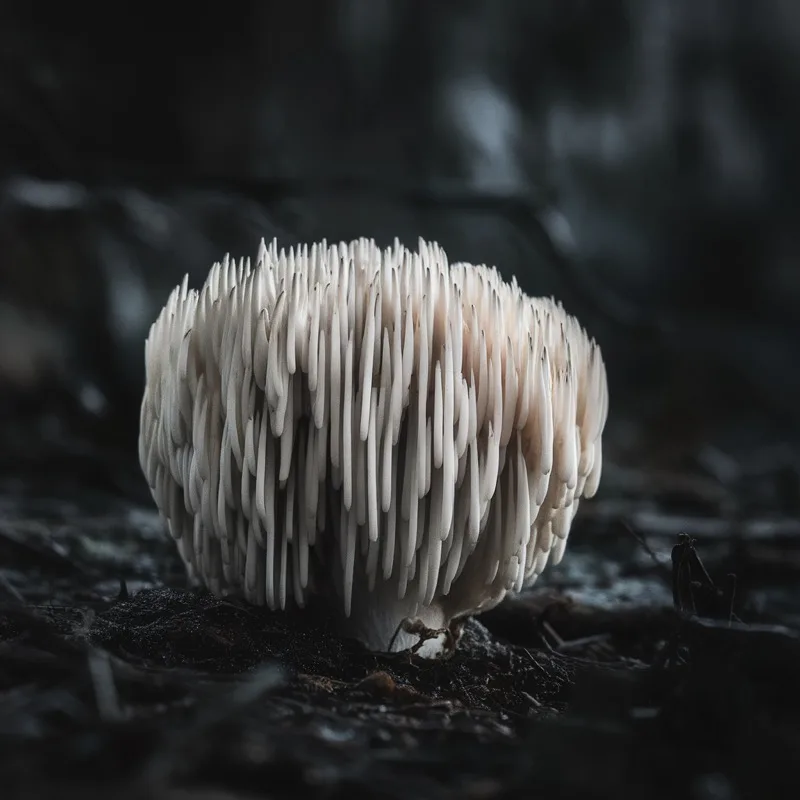
Hericium erinaceus
Hericium erinaceus is a saprotrophic fungus of the family Hericiaceae, commonly found on dead or wounded hardwood trees in North America, Europe, and Asia. Its morphology is characterized by a large, irregular, bulbous fruiting body with long, dangling spines, lacking a distinct cap or stipe. Key pharmacological properties are attributed to its unique bioactive compounds, including hericenones and erinacines, which have demonstrated neuroprotective and neurotrophic effects by stimulating nerve growth factor (NGF) synthesis in preclinical and clinical studies.
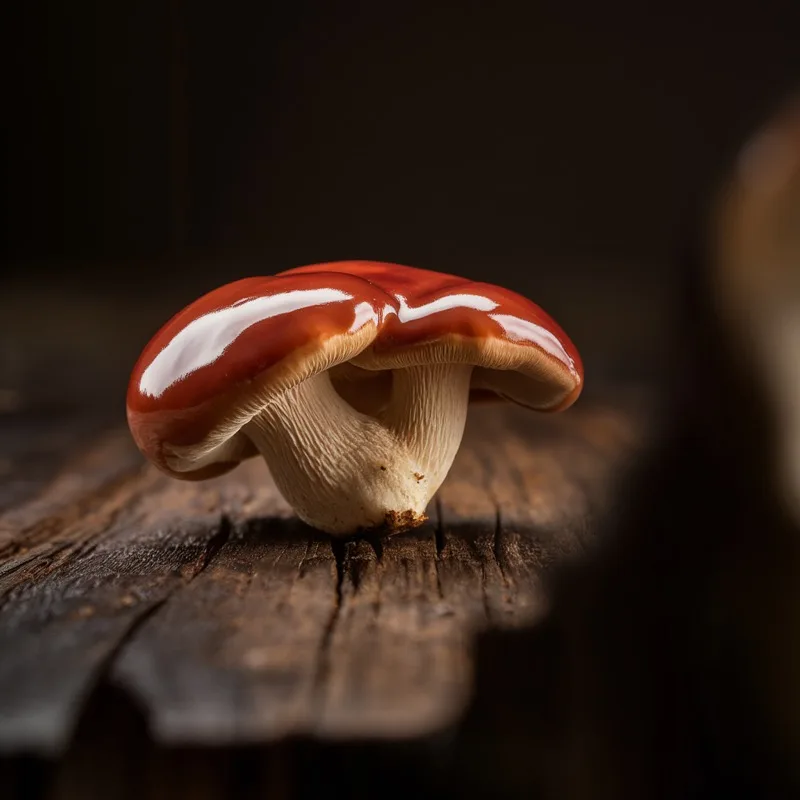
Ganoderma lucidum
Ganoderma lucidum is a polypore basidiomycetous fungus belonging to the family Ganodermataceae, characterized by its laccate cap surface and double-walled basidiospores. This large, woody mushroom thrives in hot and humid subtropical climates, growing on decaying hardwood, and is identified by its distinct red-varnished, fan-like or kidney-shaped cap. Its key pharmacological properties include immunomodulation, hepatoprotection, and adaptogenic effects, primarily mediated by its rich content of polysaccharides and over 130 identified triterpenoid compounds.
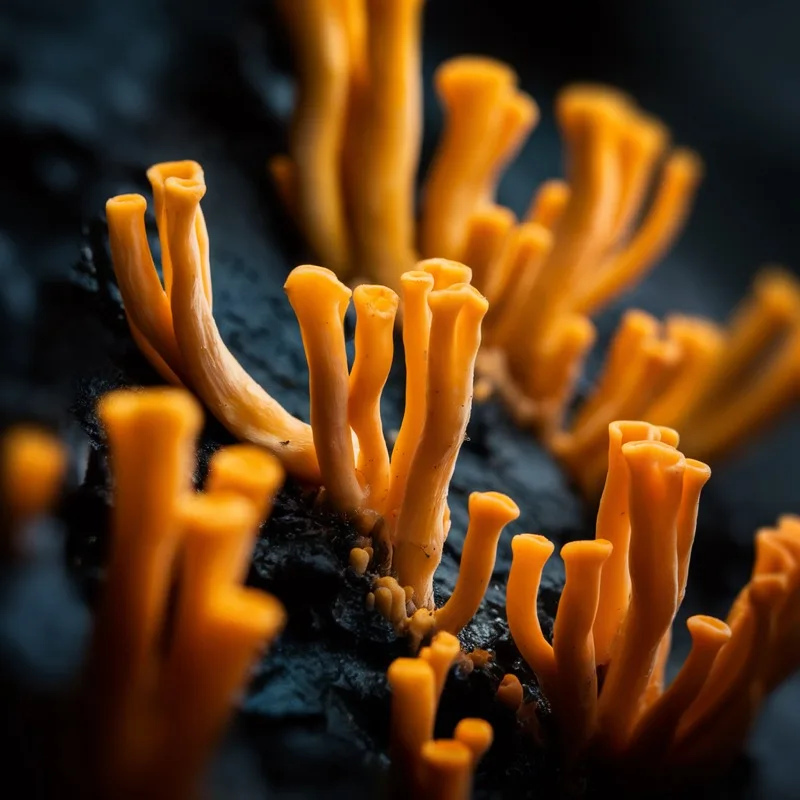
Cordyceps militaris
Cordyceps militaris is a parasitic ascomycete fungus belonging to the phylum Ascomycota, which primarily grows on the pupae of insects in the Northern Hemisphere. It is characterized by its bright orange-red, club-shaped fruiting body that emerges from the deceased host. This fungus is a source of several bioactive compounds, most notably cordycepin (3'-deoxyadenosine) and adenosine, which are nucleoside analogs with demonstrated effects on cellular energy metabolism, oxygen utilization, and anti-inflammatory pathways.
Click anywhere or press Escape to close