
🏆 Editor's Pick 🏆

$55.00 $1.83/serving
View Review
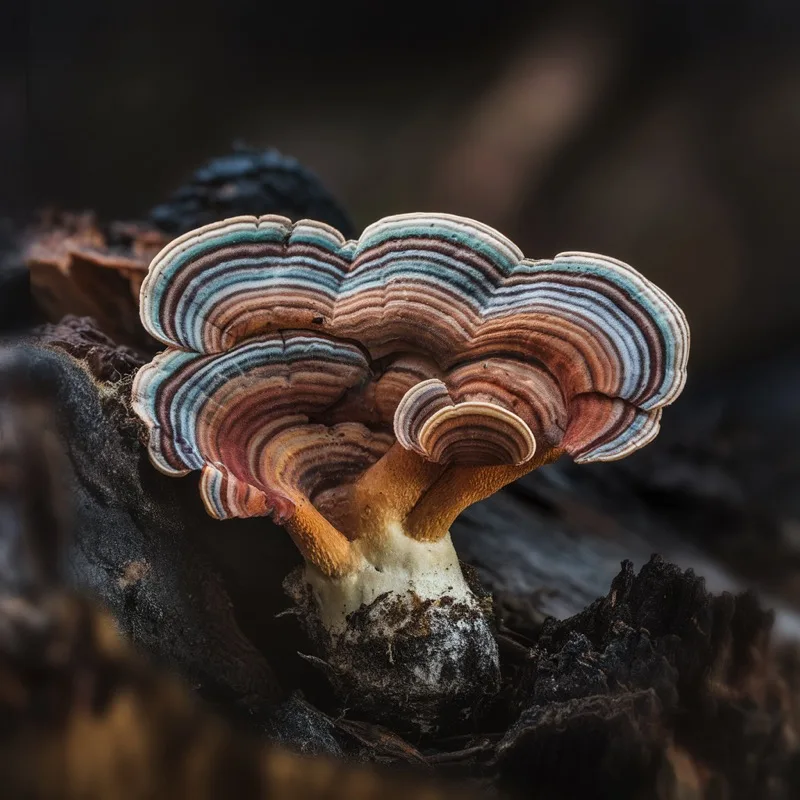
Trametes versicolor

Board-Certified Physician · Medical Reviewer · Last Reviewed February 12, 2026
Latin Name
Trametes versicolor
Research Level
Extensive
Popularity
#5 Ranked
Cited Studies
6 References
Trametes versicolor is a polypore mushroom in the family Polyporaceae, found worldwide on dead and decaying hardwood logs and stumps. Its morphology is characterized by thin, leathery, fan-shaped fruiting bodies with distinct concentric zones of varying colors. This white-rot fungus possesses significant pharmacological properties, primarily attributed to its protein-bound polysaccharides — Polysaccharide-K (PSK) and Polysaccharide-Peptide (PSP) — which are known for their immunomodulatory effects and have been used as approved adjunct cancer therapies in Japan since 1977.
💡 Key Insight
Turkey Tail is arguably the most clinically validated functional mushroom in the world — not because supplement companies funded the research, but because the Japanese government approved its key…
Turkey Tail is arguably the most clinically validated functional mushroom in the world — not because supplement companies funded the research, but because the Japanese government approved its key extract as a pharmaceutical in 1977 and has been covering it under national health insurance ever since. The compound, PSK (Polysaccharide-K), has been studied in hundreds of clinical trials, used in oncology for nearly 50 years, and is co-administered with standard cancer treatments at major hospitals throughout Japan and China.
Turkey Tail (Trametes versicolor) is one of the most common mushrooms worldwide, growing on fallen logs in virtually every temperate forest. Thin, leathery, fan-shaped brackets with concentric bands of brown, tan, and cream — unmistakably similar to a wild turkey's tail feathers. Despite being common, it's not eaten as food — far too tough. Its medicinal value lies in water-soluble polysaccharides extracted through hot water brewing.
In Japan it's called "Kawaratake," in China "Yun Zhi" (cloud mushroom). Traditional uses consistently emphasized lung health, digestive support, and bolstering the body's defensive qi. The scientific chapter began when a Japanese chemical engineer noticed a neighbor's unusual cancer recovery after drinking Turkey Tail tea. His son's company isolated PSK, completed clinical trials, and won government approval by the 1970s. PSK is now prescribed to tens of thousands of cancer patients annually in Japan.
⚡ Key Fact
PSK (Polysaccharide-K) from Turkey Tail has been used as an approved adjunct cancer therapy in Japanese hospitals since 1977 — nearly 50 years of mainstream pharmaceutical use. Multiple meta-analyses show improved 5-year survival rates when PSK is added to conventional cancer treatment.
Turkey Tail's two primary compounds are PSK and PSP (Polysaccharide-Peptide) — protein-bound polysaccharides that activate macrophages, dendritic cells, and NK cells through TLR-2 and dectin-1 signaling. PSK stimulates T-cell proliferation and enhances cytotoxic T-lymphocyte activity — the immune cells most responsible for targeting cancer cells. In clinical settings, PSK helps restore immune competence during post-treatment immune depression.
Beyond immunotherapy, Turkey Tail has significant prebiotic effects. A 2014 study by Talbott and Talbott demonstrated Turkey Tail significantly altered gut microbiome composition — increasing Bifidobacterium and Lactobacillus while reducing pathogenic species. Since gut microbiome composition profoundly influences immune function and mental wellbeing, this prebiotic dimension explains broader health effects beyond direct immunostimulation.
💊 Recommended Dosage
1,000–3,000 mg/day of fruiting body hot water extract. Japanese oncology uses PSK at 3,000 mg/day. For gut health, the lower range (1,000–2,000 mg/day) is typically sufficient. Hot water extraction is critical — PSK and PSP are water-soluble polysaccharides. Look for ≥30% beta-glucan content and specified fruiting body origin.
Origin
Worldwide, temperate forests
Taste Profile
Mild, earthy (not culinary)
Primary Use
Gut health
Used Since
PSK approved in Japan as pharmaceutical since 1977
Also Known As
Kawaratake
Best Form
Fruiting body hot water extract
Verified supplements featuring Turkey Tail — ranked by quality and value


Based on available research evidence
Based on available research evidence
Based on available research evidence
Based on available research evidence
⚠️ Important: These statements have not been evaluated by the FDA. Functional mushrooms are not intended to diagnose, treat, cure, or prevent any disease. Consult with a healthcare provider before starting any new supplement.
Bioactive compound with potential health benefits. Consult scientific literature for detailed information.
Complex carbohydrates that may support immune health and gut function.
Bioactive compound with potential health benefits. Consult scientific literature for detailed information.
Bioactive compound with potential health benefits. Consult scientific literature for detailed information.
Turkey Tail has been used in traditional medicine systems for centuries, particularly in Traditional Chinese Medicine (TCM) and other Asian healing practices.
📖 Historical Context: Traditional use does not guarantee efficacy or safety. Modern research is ongoing to validate traditional claims and understand mechanisms of action.
Turkey Tail has been extensively studied in both preclinical and clinical research. Multiple human trials have investigated its potential benefits.
Research Areas: Studies have focused on gut health, digestion, immunity, and other potential applications. Results are promising but more high-quality human trials are needed.
The following studies have been reviewed and cited by our medical team to support the claims on this page.
Torkelson, C. J., Sweet, E., Martzen, M. R., et al. (2012). Phase 1 clinical trial of Trametes versicolor in women with breast cancer. ISRN Oncology, 2012, 251632.
This phase 1 clinical trial demonstrated that a Trametes versicolor preparation was safe and well-tolerated by women with breast cancer after primary oncologic treatment, with trends toward increased lymphocyte counts and natural killer cell functional activity.
Standish, L. J., Wenner, C. A., Sweet, E. S., et al. (2008). Trametes versicolor mushroom immune therapy in breast cancer. Journal of the Society for Integrative Oncology, 6(3), 122.
This review proposes the use of Trametes versicolor as an adjuvant immunotherapy for breast cancer, based on evidence from epidemiological and clinical studies supporting its immunomodulatory properties.
Stamets, P. (2012). Trametes versicolor (Turkey Tail Mushrooms) and the Treatment of Breast Cancer. Global Advances in Health and Medicine, 1(5), 20.
This case study reports on a patient with advanced metastatic inflammatory breast cancer who experienced a positive outcome when combining conventional chemotherapy with a daily regimen of Trametes versicolor capsules.
1. Biomedicines. 2020 May 25;8(5):135. doi: 10.3390/biomedicines8050135.
Study on Trametes versicolor immune published on PubMed (PMID: 32466253)
1. J Soc Integr Oncol. 2008 Summer;6(3):122-8.
Study on Trametes versicolor immune published on PubMed (PMID: 19087769)
1. Biomedicines. 2022 Nov 7;10(11):2841. doi: 10.3390/biomedicines10112841.
Study on Trametes versicolor immune published on PubMed (PMID: 36359361)
📋 Methodology: References are sourced from PubMed, major mycology journals, and peer-reviewed medical literature. Each entry is reviewed by Dr. Igor I. Bussel, M.D. for accuracy and clinical relevance.
Board-Certified Physician · Medical Reviewer
Board-certified physician affiliated with UC Irvine, the Gavin Herbert Eye Institute, and the UCI School of Medicine. Dr. Bussel reviews all mushroom encyclopedia entries for scientific accuracy, ensuring claims are supported by peer-reviewed research.
Last reviewed: February 12, 2026
Discover more functional mushroom species
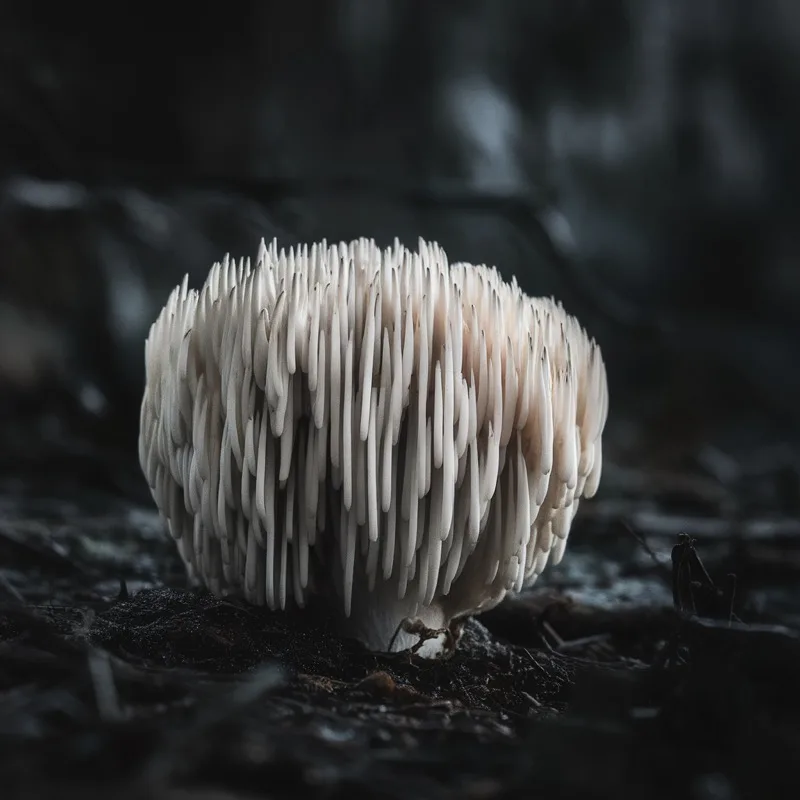
Hericium erinaceus
Hericium erinaceus is a saprotrophic fungus of the family Hericiaceae, commonly found on dead or wounded hardwood trees in North America, Europe, and Asia. Its morphology is characterized by a large, irregular, bulbous fruiting body with long, dangling spines, lacking a distinct cap or stipe. Key pharmacological properties are attributed to its unique bioactive compounds, including hericenones and erinacines, which have demonstrated neuroprotective and neurotrophic effects by stimulating nerve growth factor (NGF) synthesis in preclinical and clinical studies.
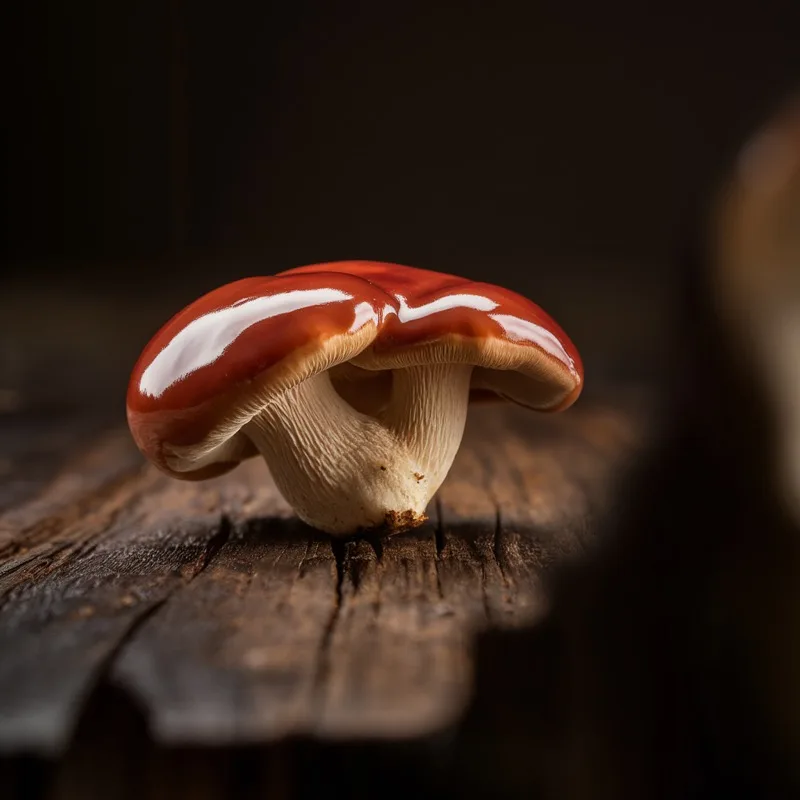
Ganoderma lucidum
Ganoderma lucidum is a polypore basidiomycetous fungus belonging to the family Ganodermataceae, characterized by its laccate cap surface and double-walled basidiospores. This large, woody mushroom thrives in hot and humid subtropical climates, growing on decaying hardwood, and is identified by its distinct red-varnished, fan-like or kidney-shaped cap. Its key pharmacological properties include immunomodulation, hepatoprotection, and adaptogenic effects, primarily mediated by its rich content of polysaccharides and over 130 identified triterpenoid compounds.
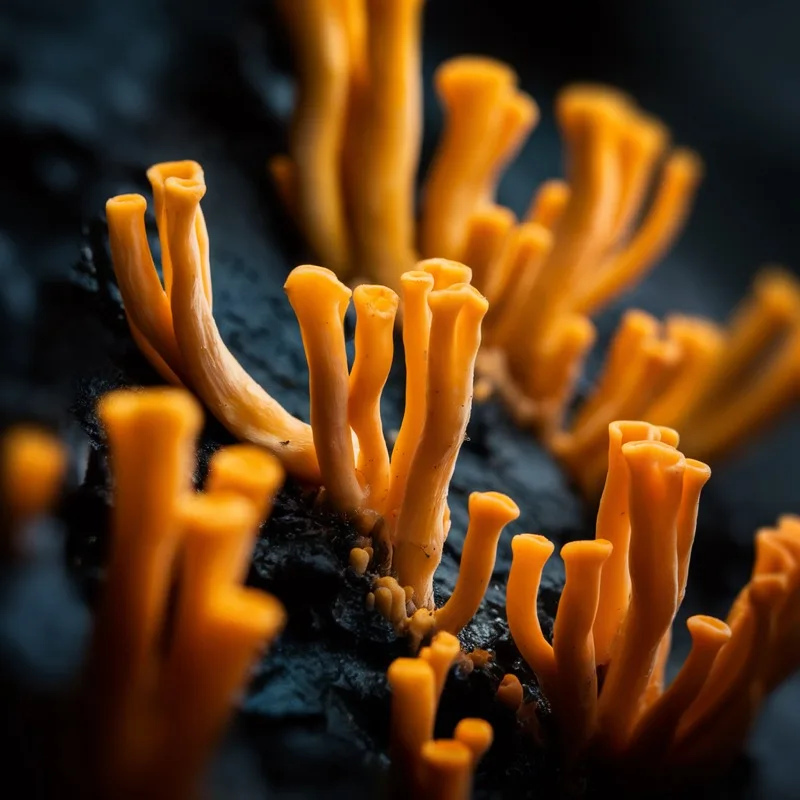
Cordyceps militaris
Cordyceps militaris is a parasitic ascomycete fungus belonging to the phylum Ascomycota, which primarily grows on the pupae of insects in the Northern Hemisphere. It is characterized by its bright orange-red, club-shaped fruiting body that emerges from the deceased host. This fungus is a source of several bioactive compounds, most notably cordycepin (3'-deoxyadenosine) and adenosine, which are nucleoside analogs with demonstrated effects on cellular energy metabolism, oxygen utilization, and anti-inflammatory pathways.
12 min read
8 min read
8 min read
Click anywhere or press Escape to close