
📝 Most Reviewed 📝

$35.00 $1.17/serving
View Review
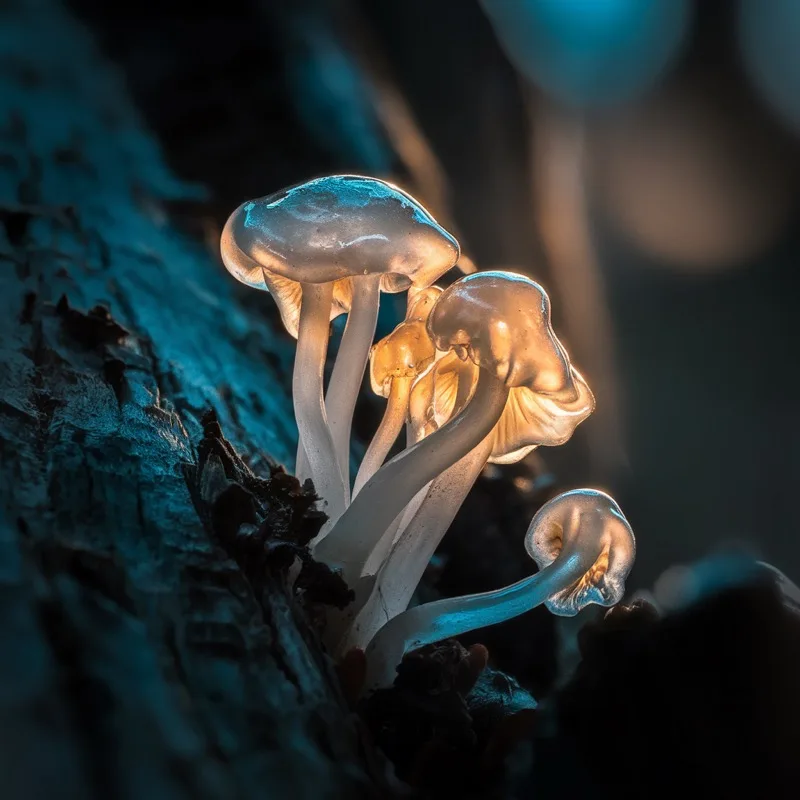
Tremella fuciformis

Board-Certified Physician · Medical Reviewer · Last Reviewed February 12, 2026
Latin Name
Tremella fuciformis
Research Level
Moderate
Popularity
#9 Ranked
Cited Studies
6 References
Tremella fuciformis is a gelatinous fungus belonging to the family Tremellaceae, found primarily in tropical and subtropical climates on dead or dying hardwood. It exists as a parasitic yeast that colonizes the mycelium of fungi in the genus Annulohypoxylon, triggering the formation of its characteristic white, frond-like, and translucent fruiting body. Its key pharmacological properties are attributed to its rich concentration of polysaccharides, which have demonstrated significant immunomodulatory, antioxidant, anti-inflammatory, and skin-hydrating effects — capable of holding up to 500 times their weight in water.
💡 Key Insight
Yang Guifei — considered one of the most beautiful women in Chinese history, favorite consort of Emperor Xuanzong — reportedly consumed Tremella mushrooms daily as part of her beauty regimen. This…
Yang Guifei — considered one of the most beautiful women in Chinese history, favorite consort of Emperor Xuanzong — reportedly consumed Tremella mushrooms daily as part of her beauty regimen. This 1,200-year-old story might read as mythology, but modern polymer chemistry provides a rigorous explanation: Tremella polysaccharides can hold up to 500 times their weight in water — more than hyaluronic acid, the gold-standard hydrating ingredient in modern skincare. The Tang Dynasty didn't know about polymers, but they had observed something real.
Tremella (Tremella fuciformis), called "Snow Fungus" or "Silver Ear," is one of the most visually extraordinary mushrooms. A gelatinous, translucent, ruffled mass of lobes resembling underwater coral — white or cream-colored when fresh, almost glass-clear when rehydrated. It grows in tropical forests as a parasite on other fungi, expanding five to six times its dry volume when soaked in water.
In Traditional Chinese Medicine, Tremella has been documented for over 2,000 years as a "yin tonic" — nourishing fluid reserves, moistening dry tissues, and supporting the cooling, nurturing aspects of physiology. This maps onto modern understanding well: its moisture-retaining polysaccharides do exactly what a yin tonic would do at the tissue level. As food, it's consumed in Chinese sweet soups with rock sugar, red dates, and goji berries — genuinely enjoyable comfort food that's served as both dessert and medicine for centuries.
⚡ Key Fact
Tremella polysaccharide particles are actually smaller than hyaluronic acid molecules — potentially allowing better penetration into the epidermis in topical applications. When consumed orally, they're absorbed into systemic circulation and reach dermal layers, providing hydration from the inside out.
Tremella's primary compounds are high-molecular-weight acidic heteropolysaccharides rich in glucuronic acid, fucose, mannose, and xylose. This polymer's extraordinary water-holding capacity — up to 500× its weight — makes it one of the most effective natural hydrating compounds known. When these polysaccharides reach the dermis, they measurably improve skin elasticity and reduce fine lines.
The Wen et al. 2016 study demonstrated protection against UV-induced photoaging by improving skin texture, increasing collagen synthesis, and exhibiting significant antioxidant activity. The Ruan et al. 2018 study found Tremella polysaccharides attenuate oxidative stress and inflammation through miR-155 regulation — indicating systemic anti-inflammatory effects beyond skin. The Ma et al. 2021 review catalogued immunomodulatory, anti-tumor, neuroprotective, and anti-fatigue activities across multiple studies.
💊 Recommended Dosage
1,000–3,000 mg/day of hot water-extracted fruiting body. For skin benefits, commit to daily intake for 8–12 weeks minimum — polysaccharide-mediated dermal changes are cumulative. Traditional preparation: soak 5–10g dried Tremella, simmer in sweet soup with dates and goji berries. Topical Tremella serums complement oral supplementation for dual-pathway skin hydration.
Origin
China, Taiwan, Southeast Asia
Taste Profile
Mild, neutral, gelatinous
Primary Use
Skin hydration
Used Since
Beauty secret of Yang Guifei, 1,200+ years
Also Known As
Snow Fungus
Best Form
Hot water extract
Verified supplements featuring Tremella — ranked by quality and value


Based on available research evidence
Based on available research evidence
Based on available research evidence
Based on available research evidence
⚠️ Important: These statements have not been evaluated by the FDA. Functional mushrooms are not intended to diagnose, treat, cure, or prevent any disease. Consult with a healthcare provider before starting any new supplement.
Complex carbohydrates that may support immune health and gut function.
Bioactive compound with potential health benefits. Consult scientific literature for detailed information.
Bioactive compound with potential health benefits. Consult scientific literature for detailed information.
Tremella has been used in traditional medicine systems for centuries, particularly in Traditional Chinese Medicine (TCM) and other Asian healing practices.
📖 Historical Context: Traditional use does not guarantee efficacy or safety. Modern research is ongoing to validate traditional claims and understand mechanisms of action.
Tremella has moderate research support with several preclinical studies and some human trials. More research is needed to confirm benefits.
Research Areas: Studies have focused on skin health, hydration, beauty, and other potential applications. Results are promising but more high-quality human trials are needed.
The following studies have been reviewed and cited by our medical team to support the claims on this page.
Wen, L., Gao, Q., Ma, C., et al. (2016). Effect of polysaccharides from Tremella fuciformis on UV-induced photoaging. Journal of Functional Foods, 20, 400-410.
This study demonstrated that Tremella fuciformis polysaccharides protect against UV-induced skin damage by improving skin texture and increasing collagen synthesis, exhibiting significant antioxidant activity against photoaging.
Ruan, Y., Li, H., Pu, L., Shen, T., & Jin, Z. (2018). Tremella fuciformis Polysaccharides Attenuate Oxidative Stress and Inflammation in Macrophages through miR-155. Analytical Cellular Pathology, 2018, 5762371.
This research found that polysaccharides from Tremella fuciformis can reduce oxidative stress and inflammation in macrophage cells by regulating the expression of miR-155, highlighting the mushroom's potential for therapeutic applications in inflammatory diseases.
Ma, X., Yang, M., He, Y., Zhai, C., & Li, C. (2021). A review on the production, structure, bioactivities and applications of Tremella polysaccharides. International Journal of Immunopathology and Pharmacology, 35, 20587384211000541.
This comprehensive review summarizes the extensive research on Tremella polysaccharides, detailing their diverse biological activities including immunomodulatory, anti-tumor, antioxidant, and skin-moisturizing effects.
1. Arch Dermatol Res. 2023 Sep;315(7):1883-1886. doi: 10.1007/s00403-023-02550-4.
Study on Tremella fuciformis skin published on PubMed (PMID: 36757441)
1. Photochem Photobiol Sci. 2023 Oct;22(10):2285-2296. doi:
Study on Tremella fuciformis skin published on PubMed (PMID: 37458972)
1. Mol Med Rep. 2017 Aug;16(2):1340-1346. doi: 10.3892/mmr.2017.6754. Epub 2017
Study on Tremella fuciformis skin published on PubMed (PMID: 28627707)
📋 Methodology: References are sourced from PubMed, major mycology journals, and peer-reviewed medical literature. Each entry is reviewed by Dr. Igor I. Bussel, M.D. for accuracy and clinical relevance.
Board-Certified Physician · Medical Reviewer
Board-certified physician affiliated with UC Irvine, the Gavin Herbert Eye Institute, and the UCI School of Medicine. Dr. Bussel reviews all mushroom encyclopedia entries for scientific accuracy, ensuring claims are supported by peer-reviewed research.
Last reviewed: February 12, 2026
Discover more functional mushroom species
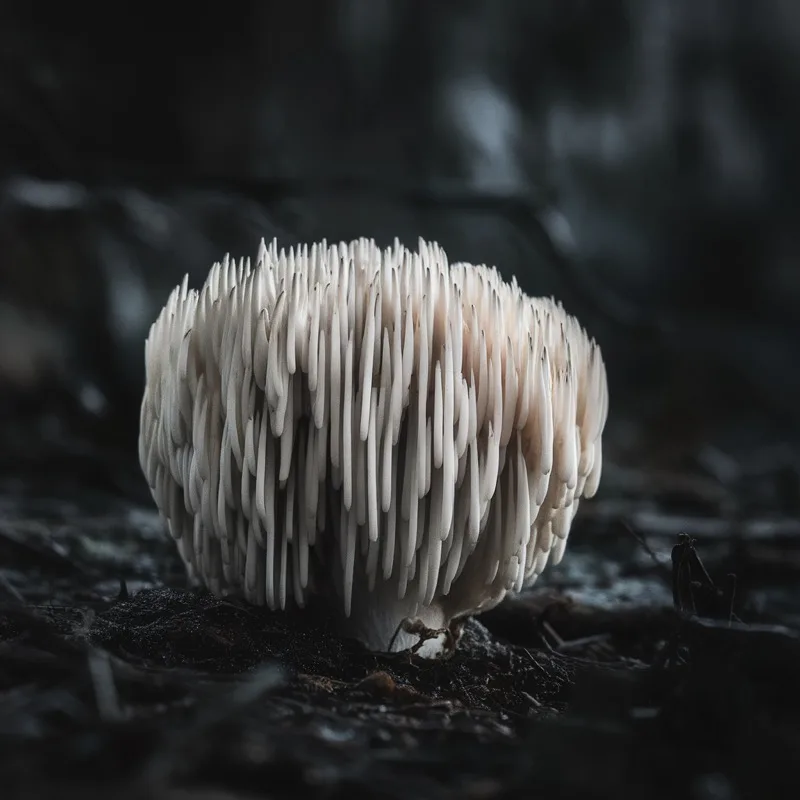
Hericium erinaceus
Hericium erinaceus is a saprotrophic fungus of the family Hericiaceae, commonly found on dead or wounded hardwood trees in North America, Europe, and Asia. Its morphology is characterized by a large, irregular, bulbous fruiting body with long, dangling spines, lacking a distinct cap or stipe. Key pharmacological properties are attributed to its unique bioactive compounds, including hericenones and erinacines, which have demonstrated neuroprotective and neurotrophic effects by stimulating nerve growth factor (NGF) synthesis in preclinical and clinical studies.
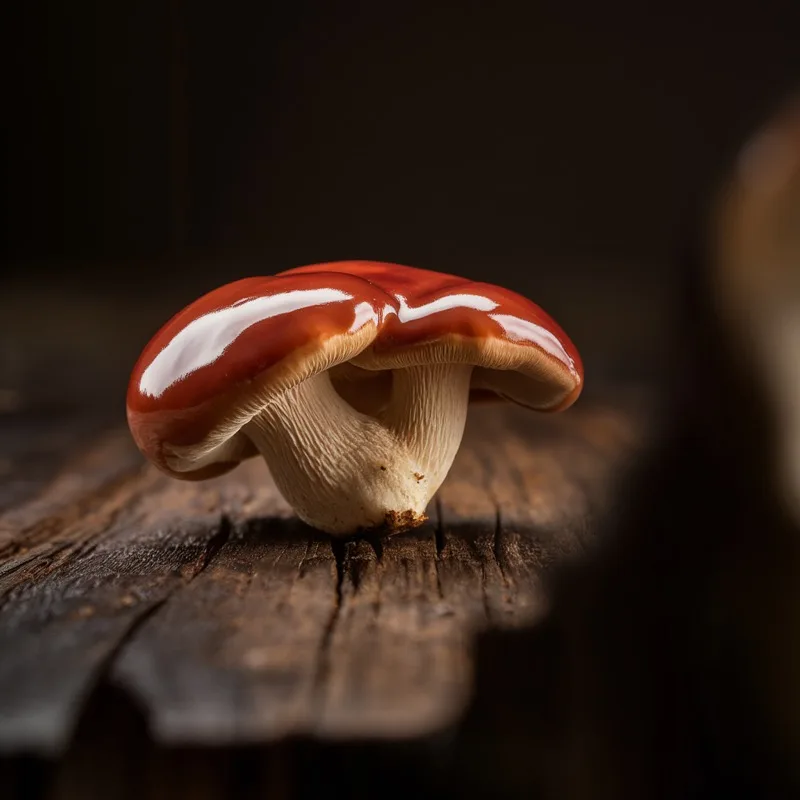
Ganoderma lucidum
Ganoderma lucidum is a polypore basidiomycetous fungus belonging to the family Ganodermataceae, characterized by its laccate cap surface and double-walled basidiospores. This large, woody mushroom thrives in hot and humid subtropical climates, growing on decaying hardwood, and is identified by its distinct red-varnished, fan-like or kidney-shaped cap. Its key pharmacological properties include immunomodulation, hepatoprotection, and adaptogenic effects, primarily mediated by its rich content of polysaccharides and over 130 identified triterpenoid compounds.
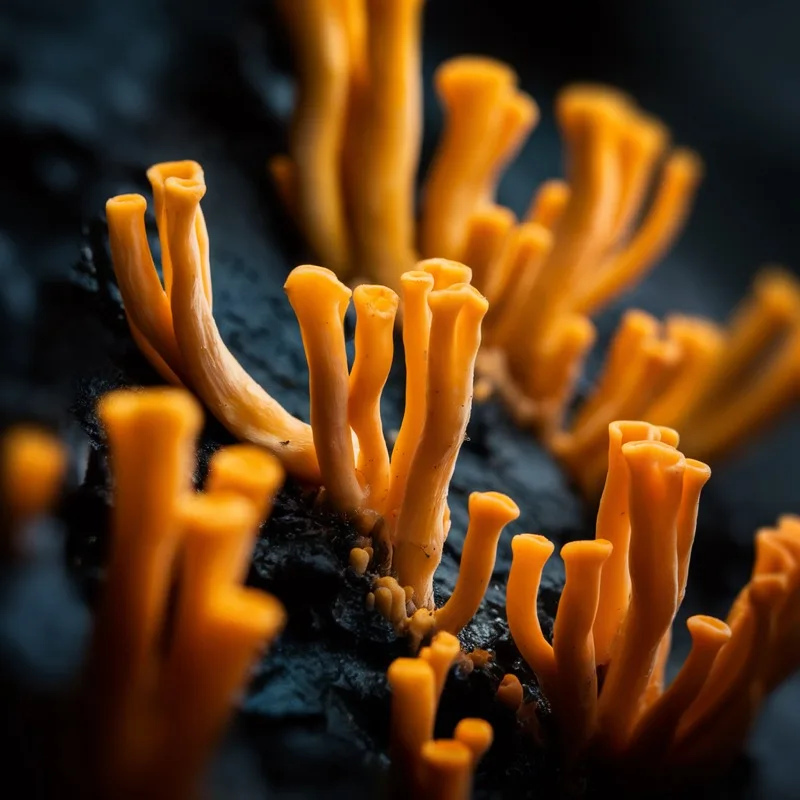
Cordyceps militaris
Cordyceps militaris is a parasitic ascomycete fungus belonging to the phylum Ascomycota, which primarily grows on the pupae of insects in the Northern Hemisphere. It is characterized by its bright orange-red, club-shaped fruiting body that emerges from the deceased host. This fungus is a source of several bioactive compounds, most notably cordycepin (3'-deoxyadenosine) and adenosine, which are nucleoside analogs with demonstrated effects on cellular energy metabolism, oxygen utilization, and anti-inflammatory pathways.
Click anywhere or press Escape to close