
🏆 Editor's Pick 🏆

$55.00 $1.83/serving
View Review
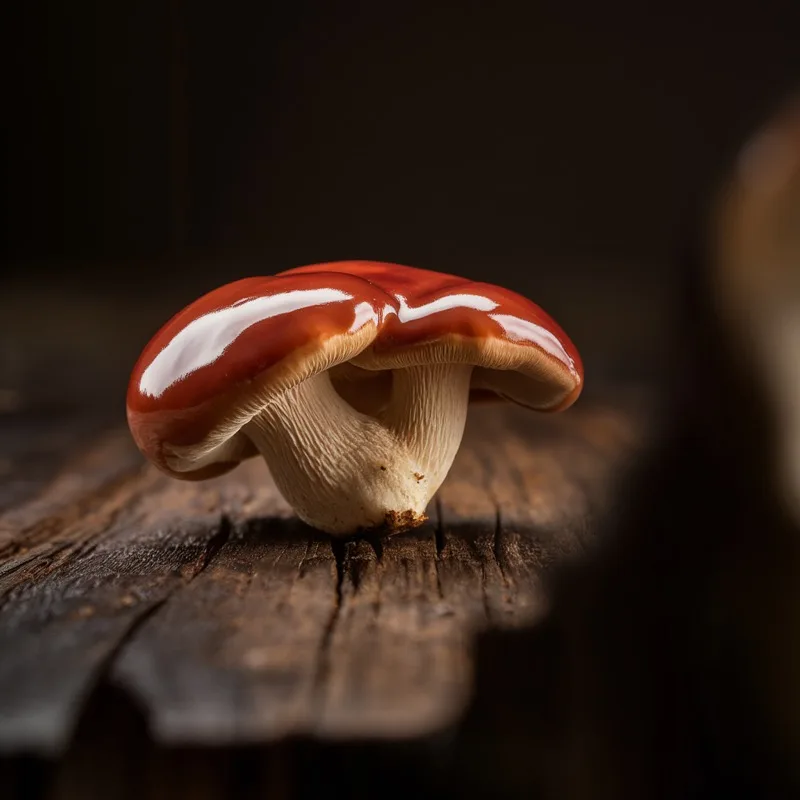
Ganoderma lucidum

Board-Certified Physician · Medical Reviewer · Last Reviewed February 12, 2026
Latin Name
Ganoderma lucidum
Research Level
Extensive
Popularity
#2 Ranked
Cited Studies
6 References
Ganoderma lucidum is a polypore basidiomycetous fungus belonging to the family Ganodermataceae, characterized by its laccate cap surface and double-walled basidiospores. This large, woody mushroom thrives in hot and humid subtropical climates, growing on decaying hardwood, and is identified by its distinct red-varnished, fan-like or kidney-shaped cap. Its key pharmacological properties include immunomodulation, hepatoprotection, and adaptogenic effects, primarily mediated by its rich content of polysaccharides and over 130 identified triterpenoid compounds.
💡 Key Insight
In 2005, a randomized controlled trial enrolled 132 patients with neurasthenia — persistent fatigue, irritability, and inability to relax — and gave half of them a Ganoderma lucidum polysaccharide…
In 2005, a randomized controlled trial enrolled 132 patients with neurasthenia — persistent fatigue, irritability, and inability to relax — and gave half of them a Ganoderma lucidum polysaccharide extract for eight weeks. The Reishi group showed significantly greater improvements in fatigue, anxiety, and overall well-being than placebo. Not a single patient dropped out due to adverse effects. That combination — meaningful efficacy, near-zero side effects — is exactly why Reishi has maintained its reputation as the cornerstone adaptogen in East Asian medicine for over 2,000 years.
Reishi (Ganoderma lucidum) is immediately recognizable: a large, fan- or kidney-shaped shelf mushroom with a distinctive lacquered surface that gleams reddish-brown, as if coated in high-gloss varnish. This shiny appearance — caused by waxy triterpenoids on the cap — gave rise to the Chinese name "Lingzhi" (spirit mushroom). It grows on decaying hardwood in hot, humid subtropical forests, now cultivated worldwide.
In Traditional Chinese Medicine, Reishi has been documented as the most supreme medicinal substance for at least 2,000 years — outranking even ginseng in ancient texts like the Shennong Bencao Jing. It was categorized as a "superior herb" that could be taken continuously without toxicity. Because it was rare in the wild, it became associated with emperors and immortals. Unlike most medicinal mushrooms, Reishi is not eaten as food — it's tough, woody, and intensely bitter. Its compounds are extracted through prolonged hot water simmering and alcohol extraction.
⚡ Key Fact
Over 130 distinct triterpenoid compounds have been identified in Reishi — including ganoderic acids A through Z. These are responsible for its bitter taste and adaptogenic effects, modulating the HPA stress axis to produce calm without drowsiness.
Reishi's pharmacological profile is driven by two main compound classes: polysaccharides (beta-1,3/1,6-glucans) and triterpenoids. The triterpenoids modulate the HPA axis — your body's stress response system — dampening overactivation without causing sedation. This is the mechanism behind Reishi's reputation as a "calm without drowsiness" herb.
The beta-glucan polysaccharides bind to receptors on immune cells (TLR-2, dectin-1, complement receptor 3) and act as immunomodulators — calibrating the immune system toward appropriate responsiveness rather than simply boosting it. A 2023 RCT by Chen et al. found that 84 days of daily Reishi beta-glucan supplementation significantly increased T-lymphocytes, NK cell activity, and other immune markers in healthy adults.
💊 Recommended Dosage
1,000–3,000 mg/day of dual-extracted (water + alcohol) fruiting body extract. The Tang 2005 trial used a polysaccharide extract for 8 weeks. Take in the evening for sleep support. Dual extraction is important for Reishi — hot water captures polysaccharides while alcohol captures the 130+ triterpenoids. Look for products specifying both extraction methods.
Origin
East Asia (China, Japan, Korea)
Taste Profile
Intensely bitter, woody
Primary Use
Stress relief
Used Since
Documented 2,000+ years in Shennong Bencao Jing
Also Known As
Lingzhi
Best Form
Dual extract (water + alcohol)
Verified supplements featuring Reishi — ranked by quality and value


Based on available research evidence
Based on available research evidence
Based on available research evidence
Based on available research evidence
Based on available research evidence
⚠️ Important: These statements have not been evaluated by the FDA. Functional mushrooms are not intended to diagnose, treat, cure, or prevent any disease. Consult with a healthcare provider before starting any new supplement.
Complex carbohydrates that may support immune health and gut function.
Bioactive compounds with potential anti-inflammatory and adaptogenic properties.
Bioactive compound with potential health benefits. Consult scientific literature for detailed information.
Reishi has been used in traditional medicine systems for centuries, particularly in Traditional Chinese Medicine (TCM) and other Asian healing practices.
📖 Historical Context: Traditional use does not guarantee efficacy or safety. Modern research is ongoing to validate traditional claims and understand mechanisms of action.
Reishi has been extensively studied in both preclinical and clinical research. Multiple human trials have investigated its potential benefits.
Research Areas: Studies have focused on calm, sleep, stress relief, and other potential applications. Results are promising but more high-quality human trials are needed.
The following studies have been reviewed and cited by our medical team to support the claims on this page.
Tang, W., Gao, Y., Chen, G., et al. (2005). A randomized, double-blind and placebo-controlled study of a Ganoderma lucidum polysaccharide extract in neurasthenia. Journal of Medicinal Food, 8(1), 53-58.
In a randomized, double-blind, placebo-controlled study of 132 patients with neurasthenia, a polysaccharide extract of Ganoderma lucidum was found to be significantly more effective than placebo in improving clinical symptoms of fatigue and well-being after 8 weeks of treatment.
Chen, S. N., Nan, F. H., Liu, M. W., et al. (2023). Evaluation of Immune Modulation by β-1,3; 1,6 D-Glucan Derived from Ganoderma lucidum in Healthy Adult Volunteers, A Randomized Controlled Trial. Foods, 12(3), 659.
This randomized, double-blind, placebo-controlled clinical trial demonstrated that daily supplementation with Reishi β-glucan for 84 days significantly enhanced various immune cell populations, including T-lymphocytes and natural killer cells, in healthy adult volunteers.
Klupp, N. L., Kiat, H., Bensoussan, A., Steiner, G. Z., & Chang, D. H. (2016). A double-blind, randomised, placebo-controlled trial of Ganoderma lucidum for the treatment of cardiovascular risk factors of metabolic syndrome. Scientific Reports, 6, 29540.
This randomized, double-blind, placebo-controlled trial investigated the effects of Ganoderma lucidum on cardiovascular risk factors in patients with type 2 diabetes and metabolic syndrome, contributing to the evidence base on Reishi's metabolic effects.
1. Int J Mol Sci. 2023 Jun 14;24(12):10120. doi: 10.3390/ijms241210120.
Study on Ganoderma lucidum benefits clinical published on PubMed (PMID: 37373268)
1. Int J Biol Macromol. 2025 Nov;330(Pt 1):148001. doi:
Study on Ganoderma lucidum benefits clinical published on PubMed (PMID: 41033521)
1. Foods. 2023 Apr 3;12(7):1512. doi: 10.3390/foods12071512.
Study on Ganoderma lucidum benefits clinical published on PubMed (PMID: 37048331)
📋 Methodology: References are sourced from PubMed, major mycology journals, and peer-reviewed medical literature. Each entry is reviewed by Dr. Igor I. Bussel, M.D. for accuracy and clinical relevance.
Board-Certified Physician · Medical Reviewer
Board-certified physician affiliated with UC Irvine, the Gavin Herbert Eye Institute, and the UCI School of Medicine. Dr. Bussel reviews all mushroom encyclopedia entries for scientific accuracy, ensuring claims are supported by peer-reviewed research.
Last reviewed: February 12, 2026
Discover more functional mushroom species
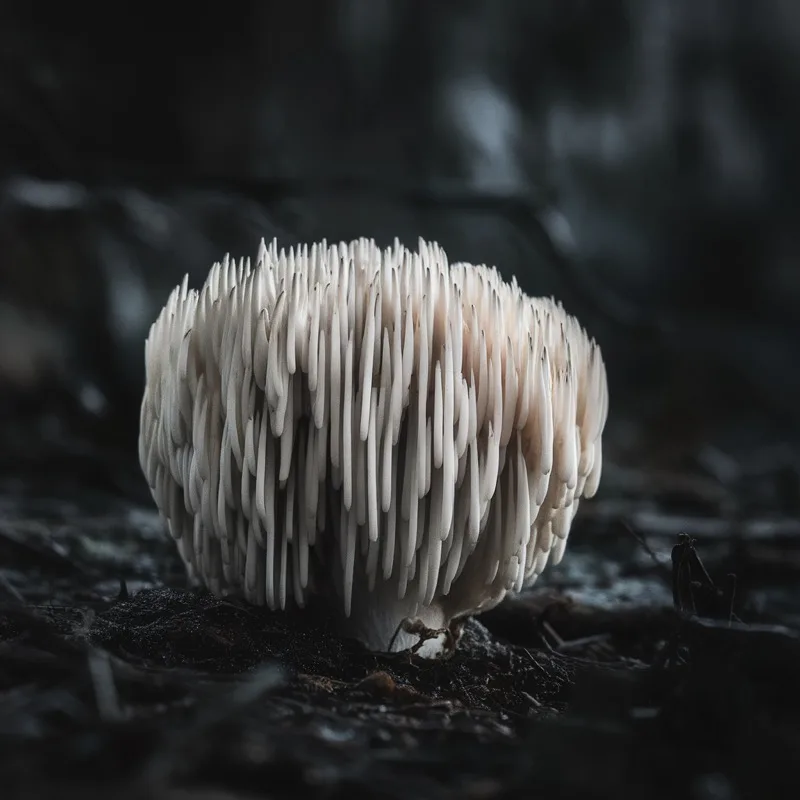
Hericium erinaceus
Hericium erinaceus is a saprotrophic fungus of the family Hericiaceae, commonly found on dead or wounded hardwood trees in North America, Europe, and Asia. Its morphology is characterized by a large, irregular, bulbous fruiting body with long, dangling spines, lacking a distinct cap or stipe. Key pharmacological properties are attributed to its unique bioactive compounds, including hericenones and erinacines, which have demonstrated neuroprotective and neurotrophic effects by stimulating nerve growth factor (NGF) synthesis in preclinical and clinical studies.
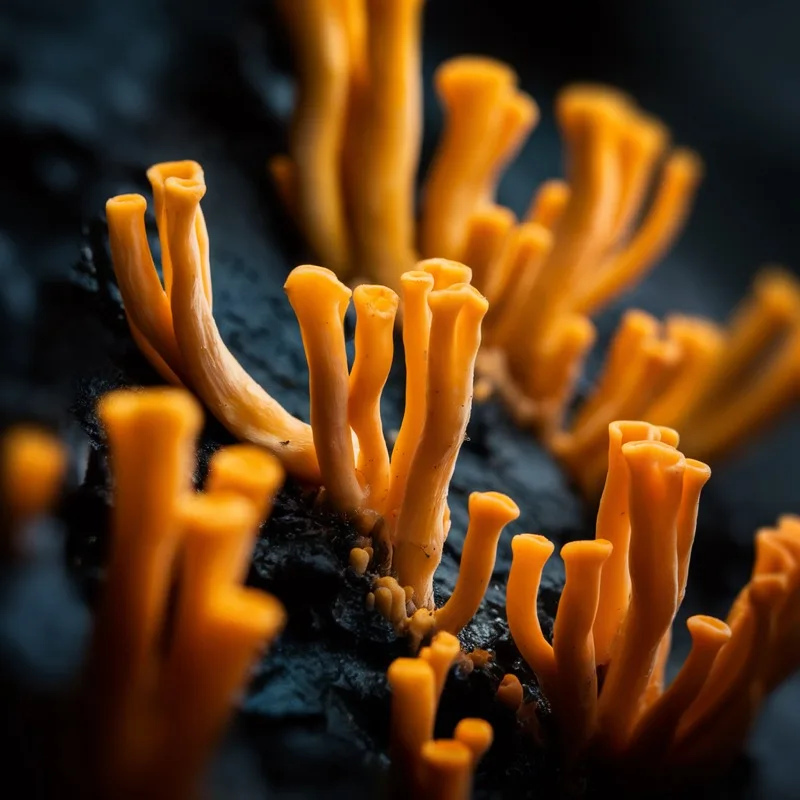
Cordyceps militaris
Cordyceps militaris is a parasitic ascomycete fungus belonging to the phylum Ascomycota, which primarily grows on the pupae of insects in the Northern Hemisphere. It is characterized by its bright orange-red, club-shaped fruiting body that emerges from the deceased host. This fungus is a source of several bioactive compounds, most notably cordycepin (3'-deoxyadenosine) and adenosine, which are nucleoside analogs with demonstrated effects on cellular energy metabolism, oxygen utilization, and anti-inflammatory pathways.
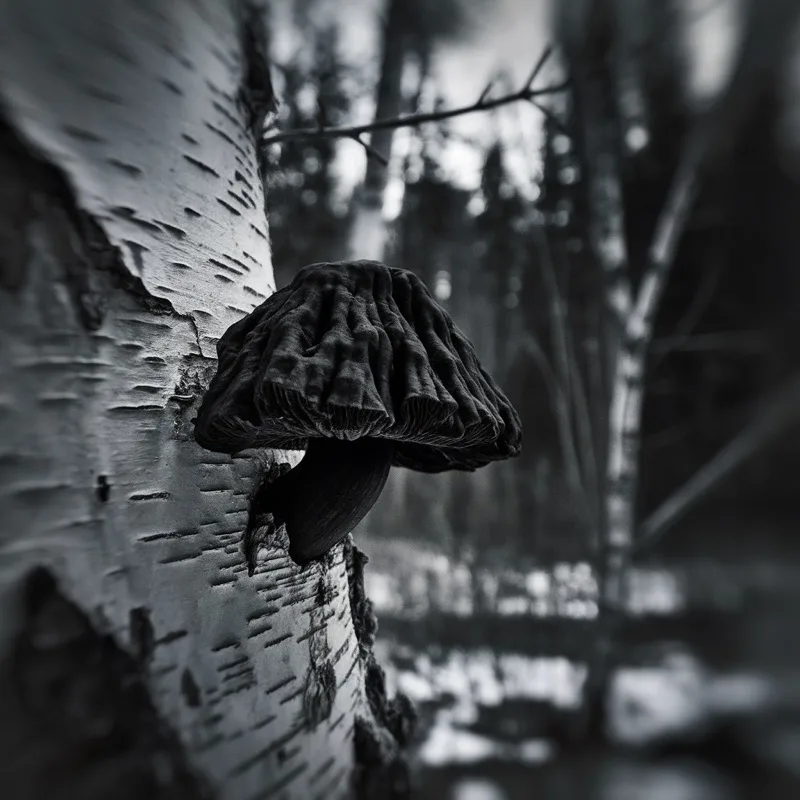
Inonotus obliquus
Inonotus obliquus is a parasitic fungus of the family Hymenochaetaceae, primarily found on birch trees in circumboreal forests. It presents as a sterile, black, and irregularly shaped sclerotium (mass of mycelium) rather than a true fruiting body, causing white heart rot in its host. This sclerotium is rich in melanin and contains various bioactive compounds, including polysaccharides, triterpenoids (betulin, betulinic acid, inotodiol), and polyphenols, which are responsible for its notable antioxidant, anti-inflammatory, and immunomodulatory properties.
Click anywhere or press Escape to close