
Beginner Friendly

$14.95
View Review
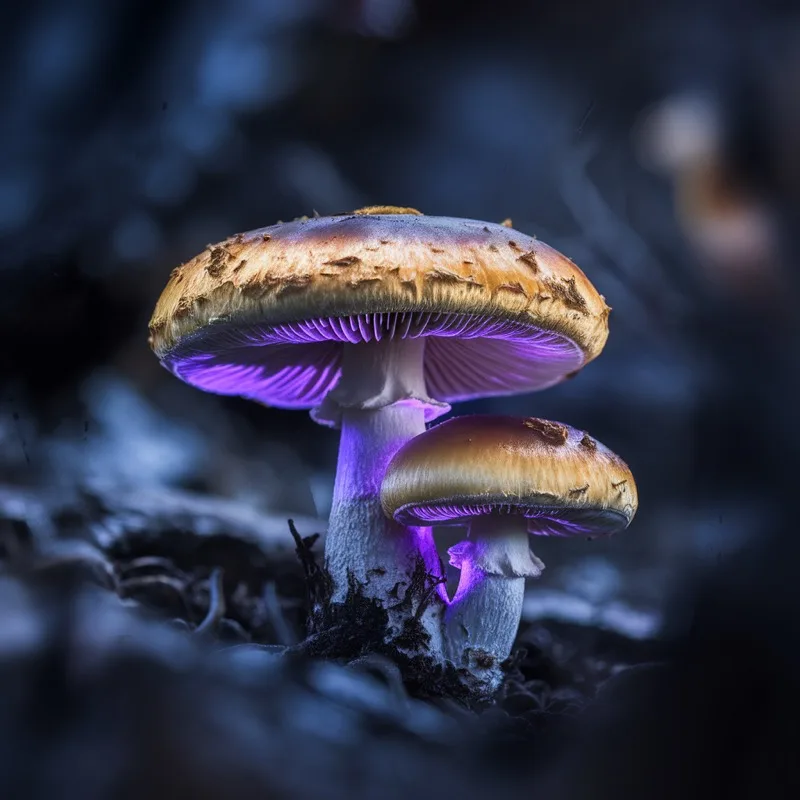
Psilocybe cubensis
Board-Certified Physician · Medical Reviewer · Last Reviewed February 12, 2026
Latin Name
Psilocybe cubensis
Research Level
Extensive
Popularity
#14 Ranked
Cited Studies
3 References
Psilocybe cubensis is a psychedelic basidiomycete fungus containing psilocybin and psilocin, serotonin 5-HT2A receptor agonists under extensive clinical investigation. Clinical trials at Johns Hopkins, Imperial College London, and NYU show remarkable results for treatment-resistant depression, anxiety, PTSD, addiction, and end-of-life distress. Psilocybin-containing truffles (sclerotia) are legally sold in the Netherlands, while magic mushroom grow kits are available from Dutch and European smartshops. Microdosing — taking sub-perceptual doses — has gained mainstream popularity for cognitive enhancement, creativity, and mood support. Over 200 species of psilocybin-containing mushrooms exist worldwide, with Psilocybe cubensis being the most commonly cultivated.
💡 Key Insight
In plain English, Psilocybin mushrooms — commonly called "magic mushrooms" or simply "shrooms" — are a group of fungi that contain the psychoactive compound psilocybin, which your body converts into…
In plain English, Psilocybin mushrooms — commonly called "magic mushrooms" or simply "shrooms" — are a group of fungi that contain the psychoactive compound psilocybin, which your body converts into psilocin. This substance activates serotonin receptors in the brain, producing altered states of consciousness that can include visual changes, profound emotional experiences, and shifts in how you perceive time and reality. Psilocybe cubensis is the most well-known species, recognized by its golden-brown caps and tendency to grow in tropical pastures.
What's genuinely remarkable about psilocybin is that it's undergone a dramatic shift from counterculture substance to serious medical research subject. Major institutions — Johns Hopkins, NYU, Imperial College London, and many others — have conducted rigorous clinical trials showing that psilocybin-assisted therapy may be profoundly effective for treatment-resistant depression, end-of-life anxiety, PTSD, and addiction. The FDA has granted psilocybin "Breakthrough Therapy" designation, a status reserved for treatments that show substantially better results than existing options.
The research results have been striking. In clinical settings, a single or small number of psilocybin sessions — always accompanied by professional therapeutic support — have produced lasting improvements in depression that persisted for months or even years after treatment. Many participants describe the experience as one of the most meaningful of their lives. The mechanism appears to involve a temporary increase in neuroplasticity, essentially allowing the brain to form new neural connections and break free from rigid patterns of thought associated with depression and anxiety.
It's crucial to understand the legal landscape: psilocybin remains a Schedule I controlled substance in most of the United States and is illegal in many countries worldwide. However, legal access is expanding. Oregon has implemented a regulated psilocybin therapy program, Colorado has decriminalized it, and several other jurisdictions are following suit. In clinical trials, psilocybin is administered in carefully controlled therapeutic environments with trained professionals — very different from unsupervised recreational use.
Beyond full psychedelic experiences, "microdosing" — taking sub-perceptual doses (typically 50–300 mg of dried mushroom, or about 1/10th to 1/20th of an active dose) — has become extremely popular. Users report enhanced creativity, improved mood, better focus, and increased emotional openness, though controlled research on microdosing is still limited and results are mixed, with some studies suggesting placebo effects may account for some of the reported benefits.
If you're in a jurisdiction where psilocybin is legal or if you're participating in a clinical program, working with experienced professionals is strongly recommended. Set and setting — your mindset and physical environment — are considered critical factors in shaping the experience. Psilocybin is physiologically very safe (it has one of the lowest toxicity profiles of any psychoactive substance), but psychological preparation and professional support are important for ensuring positive outcomes. This is a space where the science is evolving rapidly, and staying informed through reputable sources is essential.
Origin
Worldwide (tropical and subtropical regions)
Taste Profile
Earthy, often described as bitter or metallic
Primary Use
Consciousness exploration
Used Since
Used in indigenous ceremonies across Mesoamerica for millenn
Also Known As
Magic Mushrooms
Best Form
Dried fruiting body
Verified supplements featuring Psilocybin Mushrooms — ranked by quality and value


Based on available research evidence
Based on available research evidence
Based on available research evidence
Based on available research evidence
Based on available research evidence
Based on available research evidence
Based on available research evidence
Based on available research evidence
Based on available research evidence
Based on available research evidence
⚠️ Important: These statements have not been evaluated by the FDA. Functional mushrooms are not intended to diagnose, treat, cure, or prevent any disease. Consult with a healthcare provider before starting any new supplement.
The primary psychoactive prodrug in magic mushrooms. Converted to psilocin in the body, it activates serotonin 5-HT2A receptors, producing altered perception and consciousness. Breakthrough therapy designation from FDA for treatment-resistant depression.
The pharmacologically active metabolite of psilocybin. Directly binds serotonin receptors to produce psychedelic effects including visual changes, emotional openness, and neuroplasticity.
A psilocybin analog found in magic mushrooms. Thought to modulate the psychedelic experience, potentially contributing to the "entourage effect" of whole mushroom preparations.
A demethylated analog of psilocybin. Its pharmacological role is still being studied, but it may contribute to the overall psychoactive profile of psilocybin mushrooms.
A trimethylammonium analog of psilocybin found in certain Psilocybe species. May contribute to euphoric effects and modulate the psychedelic experience.
Psilocybin Mushrooms has been used in traditional medicine systems for centuries, particularly in Traditional Chinese Medicine (TCM) and other Asian healing practices.
📖 Historical Context: Traditional use does not guarantee efficacy or safety. Modern research is ongoing to validate traditional claims and understand mechanisms of action.
Psilocybin Mushrooms has been extensively studied in both preclinical and clinical research. Multiple human trials have investigated its potential benefits.
Research Areas: Studies have focused on mental health, neuroplasticity, depression relief, and other potential applications. Results are promising but more high-quality human trials are needed.
The following studies have been reviewed and cited by our medical team to support the claims on this page.
Carhart-Harris, R. L., Giribaldi, B., Watts, R., et al. (2021). Trial of Psilocybin versus Escitalopram for Depression. New England Journal of Medicine, 384(15), 1402-1411.
This landmark study compared the therapeutic effects of psilocybin with escitalopram for moderate-to-severe major depressive disorder, finding that psilocybin was at least as effective as the conventional antidepressant in reducing depressive symptoms.
Zhao, X., Du, Y., Yao, Y., et al. (2024). Psilocybin promotes neuroplasticity and induces rapid and sustained antidepressant-like effects in mice. Journal of Psychopharmacology, 38(5), 489-499.
This study found that a single dose of psilocybin had rapid and sustained antidepressant-like effects in mice, accompanied by increased neuroplasticity in the prefrontal cortex and hippocampus.
Daniel, J., & Haberman, M. (2017). Clinical potential of psilocybin as a treatment for mental health conditions. Mental Health Clinician, 7(1), 24-28.
This review summarizes the existing research on psilocybin as a treatment for various mental health conditions, including depression, anxiety, and addiction, concluding that psilocybin has significant clinical potential warranting further research.
📋 Methodology: References are sourced from PubMed, major mycology journals, and peer-reviewed medical literature. Each entry is reviewed by Dr. Igor I. Bussel, M.D. for accuracy and clinical relevance.
Board-Certified Physician · Medical Reviewer
Board-certified physician affiliated with UC Irvine, the Gavin Herbert Eye Institute, and the UCI School of Medicine. Dr. Bussel reviews all mushroom encyclopedia entries for scientific accuracy, ensuring claims are supported by peer-reviewed research.
Last reviewed: February 12, 2026
Discover more functional mushroom species
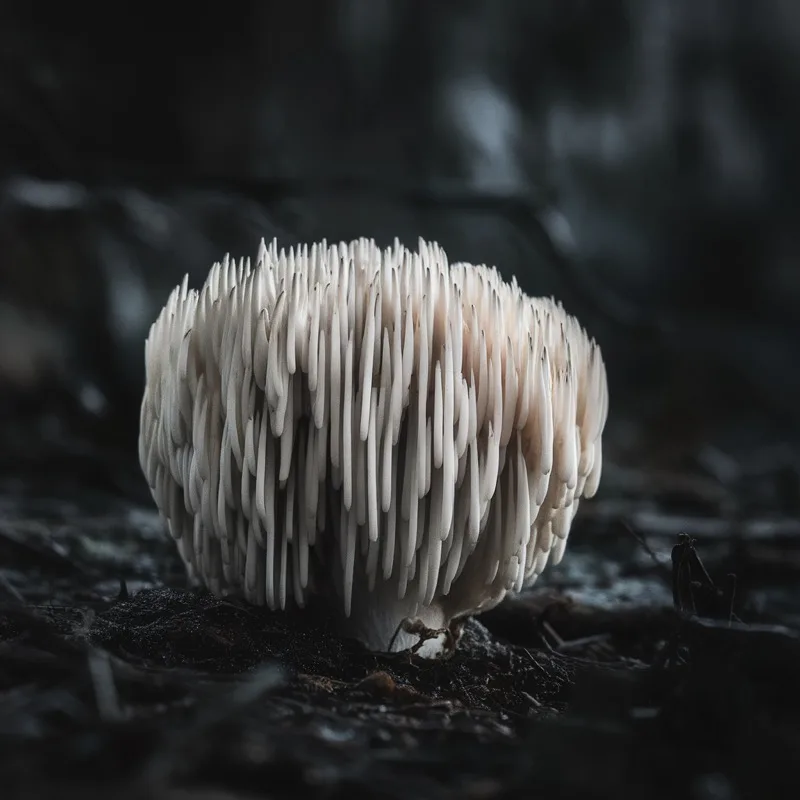
Hericium erinaceus
Hericium erinaceus is a saprotrophic fungus of the family Hericiaceae, commonly found on dead or wounded hardwood trees in North America, Europe, and Asia. Its morphology is characterized by a large, irregular, bulbous fruiting body with long, dangling spines, lacking a distinct cap or stipe. Key pharmacological properties are attributed to its unique bioactive compounds, including hericenones and erinacines, which have demonstrated neuroprotective and neurotrophic effects by stimulating nerve growth factor (NGF) synthesis in preclinical and clinical studies.
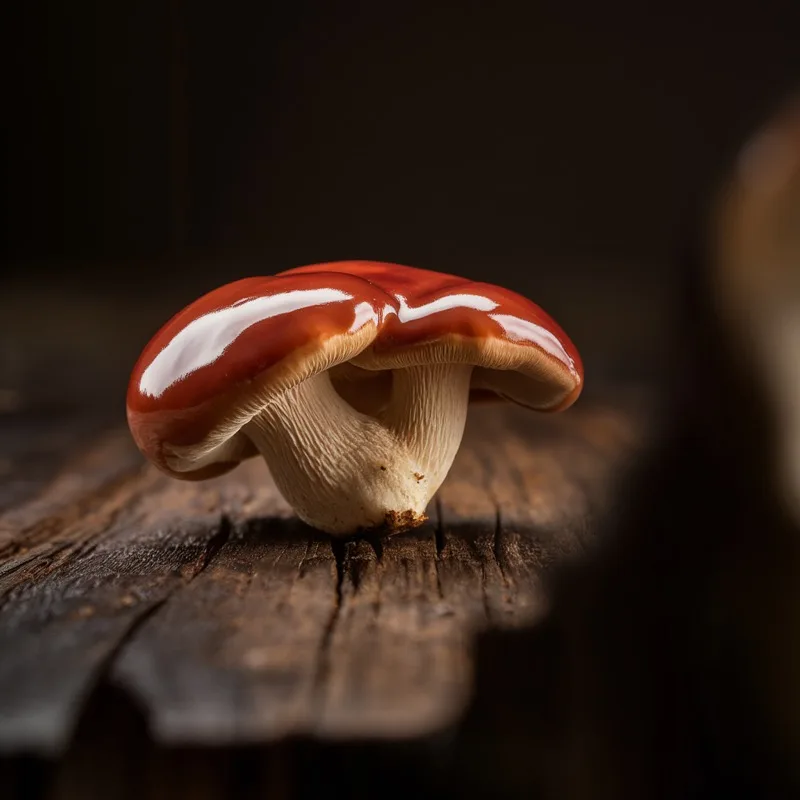
Ganoderma lucidum
Ganoderma lucidum is a polypore basidiomycetous fungus belonging to the family Ganodermataceae, characterized by its laccate cap surface and double-walled basidiospores. This large, woody mushroom thrives in hot and humid subtropical climates, growing on decaying hardwood, and is identified by its distinct red-varnished, fan-like or kidney-shaped cap. Its key pharmacological properties include immunomodulation, hepatoprotection, and adaptogenic effects, primarily mediated by its rich content of polysaccharides and over 130 identified triterpenoid compounds.
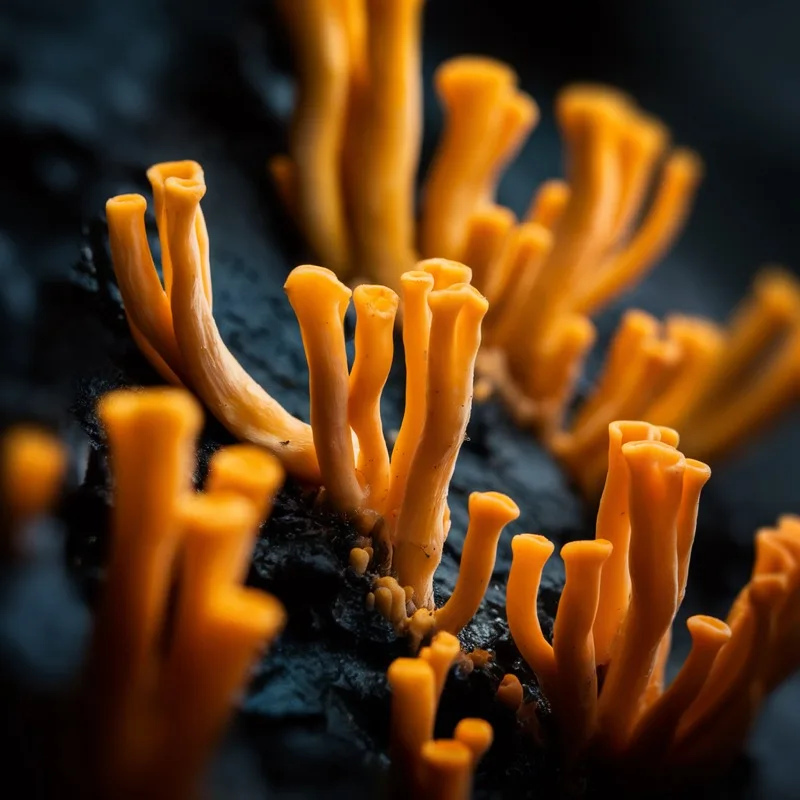
Cordyceps militaris
Cordyceps militaris is a parasitic ascomycete fungus belonging to the phylum Ascomycota, which primarily grows on the pupae of insects in the Northern Hemisphere. It is characterized by its bright orange-red, club-shaped fruiting body that emerges from the deceased host. This fungus is a source of several bioactive compounds, most notably cordycepin (3'-deoxyadenosine) and adenosine, which are nucleoside analogs with demonstrated effects on cellular energy metabolism, oxygen utilization, and anti-inflammatory pathways.
Click anywhere or press Escape to close