
🏆 Editor's Pick 🏆

$55.00 $1.83/serving
View Review
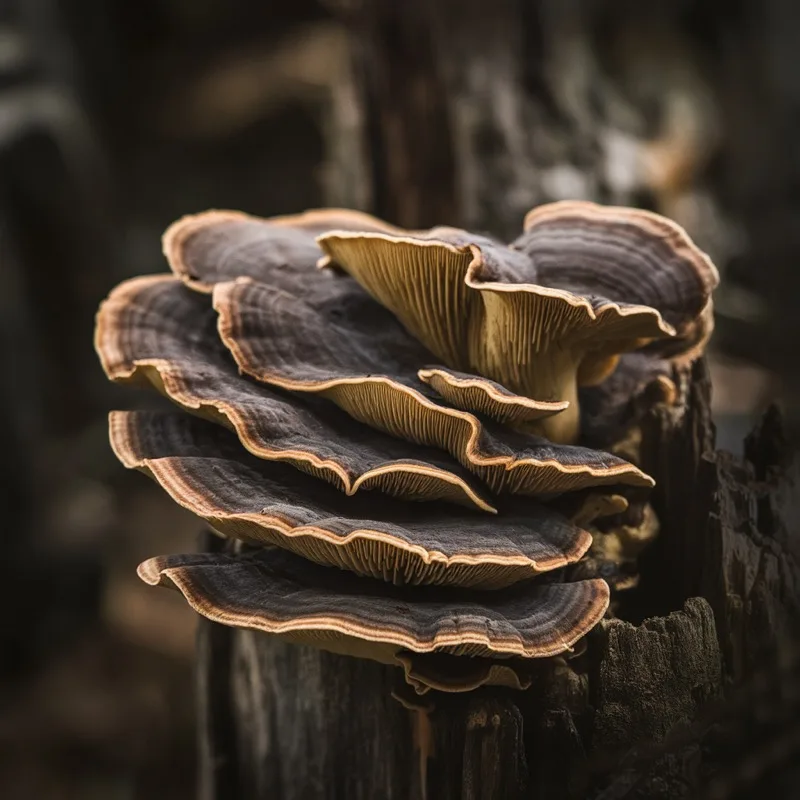
Grifola frondosa

Board-Certified Physician · Medical Reviewer · Last Reviewed February 12, 2026
Latin Name
Grifola frondosa
Research Level
Moderate
Popularity
#7 Ranked
Cited Studies
6 References
Grifola frondosa is a polypore mushroom belonging to the Meripilaceae family, found at the base of trees, especially oaks and maples, in China, Europe, and North America. Its morphology is characterized by large clusters of grayish-brown, spoon-shaped caps with wavy margins and a branched, cream-colored stipe. Key pharmacological properties include immunomodulation, blood sugar regulation, and potential anti-tumor effects, largely attributed to its polysaccharide constituents — particularly beta-glucans and the D-fraction, a purified beta-glucan extract with demonstrated immunostimulatory activity in clinical studies.
💡 Key Insight
In the 1990s, Japanese pharmacologist Hiroaki Nanba isolated a specific beta-glucan fraction from Maitake and ran it through immunological assays. The fraction — D-fraction — activated natural killer…
In the 1990s, Japanese pharmacologist Hiroaki Nanba isolated a specific beta-glucan fraction from Maitake and ran it through immunological assays. The fraction — D-fraction — activated natural killer cells and macrophages at rates substantially higher than beta-glucans from shiitake or other well-studied mushrooms. When tested alongside standard cancer treatments in mice, tumor growth dropped significantly. Nanba spent the next two decades building the clinical evidence that made Maitake D-fraction one of the most studied natural immunological agents in the world.
Maitake (Grifola frondosa) is a dramatic mushroom that fruits at the base of oak trees in clusters weighing up to 50 kg in exceptional cases. Its Japanese name means "dancing mushroom" — allegedly reflecting the joy of foragers who discovered these enormous, prized clusters. It forms overlapping rosettes of fan-shaped gray-brown caps arising from a shared base, resembling a ruffled hen — hence "Hen of the Woods."
Maitake grows in deciduous forests of Japan, China, and North America, fruiting September through November. Wild Maitake is so prized in Japan that productive patch locations are closely guarded family secrets. In traditional medicine, it was used as an adaptogenic tonic for spleen and stomach disorders and to regulate what TCM calls "dampness" — a concept overlapping with modern metabolic syndrome and blood sugar dysregulation.
⚡ Key Fact
Maitake D-fraction is a 1,6-branched beta-1,3-glucan whose specific branching pattern optimizes binding to dectin-1 receptors on immune cells — making it more potent than standard beta-glucans from oats, yeast, or other mushroom species at equivalent doses.
D-fraction's unusual potency relates to its specific branching pattern and molecular weight, optimizing binding affinity for dectin-1 receptors on macrophages and dendritic cells. This triggers NF-κB and MAPK signaling, activating phagocytosis, cytokine production (IL-12, TNF-α, IFN-γ), and NK cell activation. The Kodama 2003 study demonstrated measurable NK cell activity increases in cancer patients receiving oral D-fraction.
The metabolic effects operate through different mechanisms. The SX-fraction improves insulin sensitivity by increasing GLUT4 glucose transporter expression on muscle cells and reducing hepatic glucose output. The Xiao 2021 study found Maitake GF5000 fraction reduced fasting glucose and improved insulin resistance in diabetic rats through gut microbiome modulation — specifically increasing SCFA-producing bacteria that enhance peripheral insulin sensitivity.
💊 Recommended Dosage
1,000–3,000 mg/day of whole Maitake extract, or 0.5–1 mg/day of concentrated D-fraction liquid. For metabolic applications, take with meals. The Kodama NK cell study used ~2,000–3,000 mg/day equivalent. Also excellent as food — sear at high heat until deeply golden for exceptional flavor alongside medicinal benefits.
Origin
Japan, China, North America
Taste Profile
Rich, woodsy, slightly peppery
Primary Use
Blood sugar support
Used Since
Prized by Japanese foragers for centuries
Also Known As
Hen of the Woods
Best Form
D-fraction liquid extract
Verified supplements featuring Maitake — ranked by quality and value


Based on available research evidence
Based on available research evidence
Based on available research evidence
Based on available research evidence
⚠️ Important: These statements have not been evaluated by the FDA. Functional mushrooms are not intended to diagnose, treat, cure, or prevent any disease. Consult with a healthcare provider before starting any new supplement.
Bioactive compound with potential health benefits. Consult scientific literature for detailed information.
Complex carbohydrates that may support immune health and gut function.
Bioactive compound with potential health benefits. Consult scientific literature for detailed information.
Maitake has been used in traditional medicine systems for centuries, particularly in Traditional Chinese Medicine (TCM) and other Asian healing practices.
📖 Historical Context: Traditional use does not guarantee efficacy or safety. Modern research is ongoing to validate traditional claims and understand mechanisms of action.
Maitake has moderate research support with several preclinical studies and some human trials. More research is needed to confirm benefits.
Research Areas: Studies have focused on immunity, heart health, blood sugar support, and other potential applications. Results are promising but more high-quality human trials are needed.
The following studies have been reviewed and cited by our medical team to support the claims on this page.
Vetvicka, V., & Vetvickova, J. (2014). Immune-enhancing effects of Maitake (Grifola frondosa) and Shiitake (Lentinula edodes) extracts. Annals of Translational Medicine, 2(2), 14.
This study found that oral administration of glucans from Maitake and Shiitake mushrooms significantly stimulated both cellular and humoral immune responses, with the combination being the most potent.
Kodama, N., Komuta, K., & Nanba, H. (2003). Effect of Maitake (Grifola frondosa) D-Fraction on the activation of NK cells in cancer patients. Journal of Medicinal Food, 6(4), 371-377.
This clinical study demonstrated that the administration of Maitake D-Fraction to cancer patients led to an increase in natural killer (NK) cell activity, suggesting that it may help to repress cancer progression by stimulating immune cell activity.
Xiao, C., Jiao, C., Xie, Y., et al. (2021). Grifola frondosa GF5000 improves insulin resistance by modulation the composition of gut microbiota in diabetic rats. Journal of Functional Foods, 77, 104313.
In a study on diabetic rats, a fraction of Grifola frondosa (GF5000) was found to significantly lower fasting serum glucose and improve insulin resistance through modulation of gut microbiota and alleviation of inflammation.
1. Foods. 2025 Mar 11;14(6):955. doi: 10.3390/foods14060955.
Study on Grifola frondosa blood glucose published on PubMed (PMID: 40232013)
1. J Nutr Sci Vitaminol (Tokyo). 2001 Feb;47(1):57-63. doi: 10.3177/jnsv.47.57.
Study on Grifola frondosa blood glucose published on PubMed (PMID: 11349892)
1. Biosci Biotechnol Biochem. 2018 Sep;82(9):1550-1559. doi:
Study on Grifola frondosa blood glucose published on PubMed (PMID: 29873587)
📋 Methodology: References are sourced from PubMed, major mycology journals, and peer-reviewed medical literature. Each entry is reviewed by Dr. Igor I. Bussel, M.D. for accuracy and clinical relevance.
Board-Certified Physician · Medical Reviewer
Board-certified physician affiliated with UC Irvine, the Gavin Herbert Eye Institute, and the UCI School of Medicine. Dr. Bussel reviews all mushroom encyclopedia entries for scientific accuracy, ensuring claims are supported by peer-reviewed research.
Last reviewed: February 12, 2026
Discover more functional mushroom species
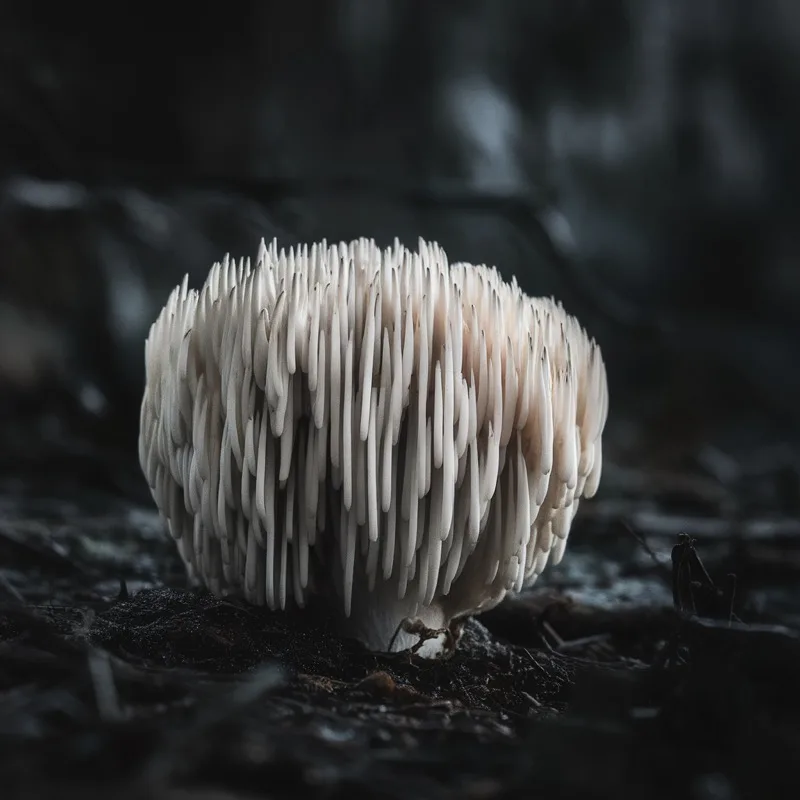
Hericium erinaceus
Hericium erinaceus is a saprotrophic fungus of the family Hericiaceae, commonly found on dead or wounded hardwood trees in North America, Europe, and Asia. Its morphology is characterized by a large, irregular, bulbous fruiting body with long, dangling spines, lacking a distinct cap or stipe. Key pharmacological properties are attributed to its unique bioactive compounds, including hericenones and erinacines, which have demonstrated neuroprotective and neurotrophic effects by stimulating nerve growth factor (NGF) synthesis in preclinical and clinical studies.
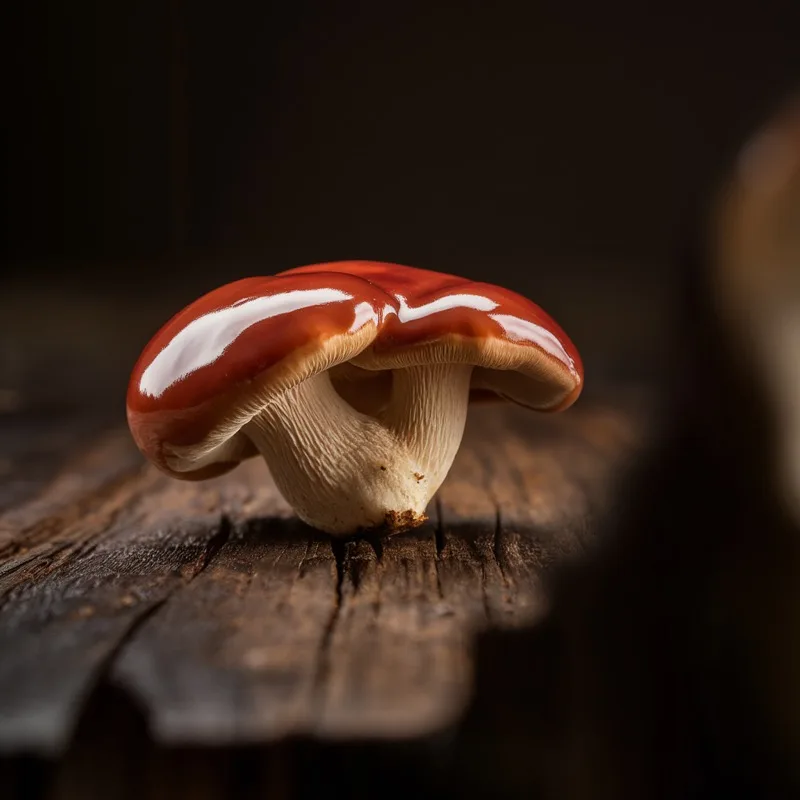
Ganoderma lucidum
Ganoderma lucidum is a polypore basidiomycetous fungus belonging to the family Ganodermataceae, characterized by its laccate cap surface and double-walled basidiospores. This large, woody mushroom thrives in hot and humid subtropical climates, growing on decaying hardwood, and is identified by its distinct red-varnished, fan-like or kidney-shaped cap. Its key pharmacological properties include immunomodulation, hepatoprotection, and adaptogenic effects, primarily mediated by its rich content of polysaccharides and over 130 identified triterpenoid compounds.
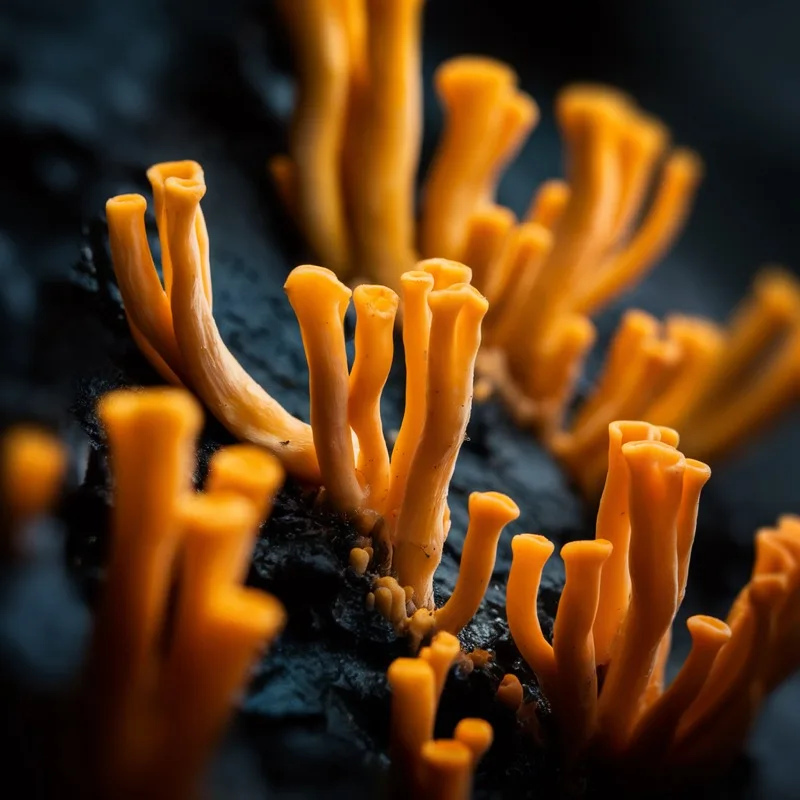
Cordyceps militaris
Cordyceps militaris is a parasitic ascomycete fungus belonging to the phylum Ascomycota, which primarily grows on the pupae of insects in the Northern Hemisphere. It is characterized by its bright orange-red, club-shaped fruiting body that emerges from the deceased host. This fungus is a source of several bioactive compounds, most notably cordycepin (3'-deoxyadenosine) and adenosine, which are nucleoside analogs with demonstrated effects on cellular energy metabolism, oxygen utilization, and anti-inflammatory pathways.
Click anywhere or press Escape to close