
🏆 Editor's Pick 🏆

$55.00 $1.83/serving
View Review
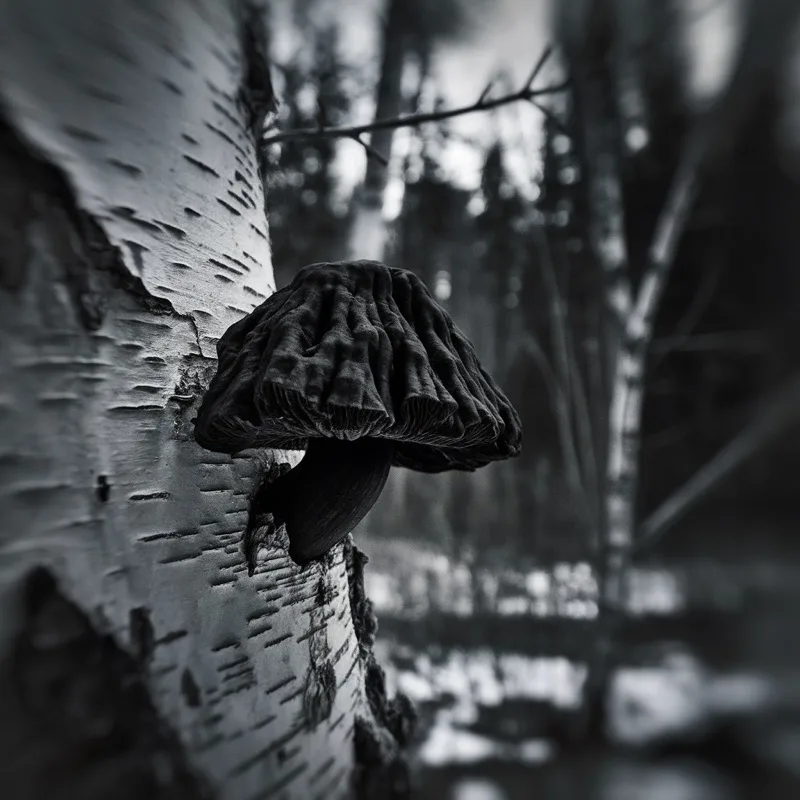
Inonotus obliquus

Board-Certified Physician · Medical Reviewer · Last Reviewed February 12, 2026
Latin Name
Inonotus obliquus
Research Level
Extensive
Popularity
#4 Ranked
Cited Studies
6 References
Inonotus obliquus is a parasitic fungus of the family Hymenochaetaceae, primarily found on birch trees in circumboreal forests. It presents as a sterile, black, and irregularly shaped sclerotium (mass of mycelium) rather than a true fruiting body, causing white heart rot in its host. This sclerotium is rich in melanin and contains various bioactive compounds, including polysaccharides, triterpenoids (betulin, betulinic acid, inotodiol), and polyphenols, which are responsible for its notable antioxidant, anti-inflammatory, and immunomodulatory properties.
💡 Key Insight
Chaga is one of the only organisms on Earth that grows in frigid northern birch forests, extracts betulinic acid from its host tree's bark, and concentrates melanin at levels found in almost no other…
Chaga is one of the only organisms on Earth that grows in frigid northern birch forests, extracts betulinic acid from its host tree's bark, and concentrates melanin at levels found in almost no other living thing. That combination produces one of the highest ORAC (Oxygen Radical Absorbance Capacity) scores ever recorded — approximately 146,700 μmol TE per 100g, beating blueberries (4,669) and acai (102,700). Life in harsh, oxidatively stressful environments selects hard for antioxidant defense. Chaga's extreme conditions produced extreme chemistry.
Chaga (Inonotus obliquus) defies easy categorization. It doesn't produce the classic cap-and-stem fruiting body — what foragers harvest is the sclerotium: a dense, irregular mass of hardened fungal tissue that erupts through birch bark, looking like burnt charcoal. Crack one open to find a striking amber-orange interior. Found almost exclusively on birch trees in circumboreal forests — Siberia, Scandinavia, Canada — it parasitizes the tree over 10–20 years.
This long interaction with birch is significant: Chaga absorbs betulin and betulinic acid from birch bark into its own tissue — compounds absent in lab-cultivated Chaga. In Siberian folk medicine, it was brewed as tea for centuries. In Finland, it served as a coffee substitute during WWII. The Russian author Solzhenitsyn featured it prominently in The Cancer Ward (1967), sparking early Western scientific interest.
⚡ Key Fact
Wild Chaga harvested from birch trees contains betulinic acid — a compound showing selective pro-apoptotic effects on certain cancer cell lines in vitro. Lab-cultivated Chaga grown on non-birch substrates cannot produce this compound. Sourcing matters more for Chaga than any other medicinal mushroom.
Chaga's bioactivity comes from an unusually diverse phytochemical profile: melanin pigments (potent antioxidant, UV-protective), beta-glucan polysaccharides (immunomodulatory), polyphenols (anti-inflammatory via NF-κB suppression), and lanostane triterpenoids including betulinic acid (from the birch host). A 2022 study by Nguyen et al. found that Chaga extracts significantly inhibited nitric oxide production and downregulated pro-inflammatory cytokines TNF-α and IL-6 in macrophage cells.
The immunomodulatory polysaccharides follow the same beta-glucan receptor pathway as other medicinal mushrooms, but Chaga is unique in the density of additional antioxidant compounds working synergistically. The Arata 2016 study found continuous oral Chaga extract significantly suppressed tumor growth and metastasis in mice — not yet replicated in human trials but aligned with the anti-inflammatory mechanisms.
💊 Recommended Dosage
1,000–2,000 mg/day of hot water or dual-extracted Chaga. For traditional tea, simmer 3–5g of dried chunks for 20–30 minutes at 80–90°C (not boiling). Prioritize wild-harvested birch-source Chaga for the full spectrum of birch-derived compounds. Dual extraction captures both water-soluble polysaccharides and alcohol-soluble triterpenoids.
Origin
Siberia, Scandinavia, Northern Canada
Taste Profile
Earthy, mild vanilla notes
Primary Use
Antioxidant support
Used Since
Used in Siberian folk medicine for centuries
Also Known As
Black Gold
Best Form
Wild-harvested birch, dual extract
Verified supplements featuring Chaga — ranked by quality and value

Sacred Journey Chocolate


Based on available research evidence
Based on available research evidence
Based on available research evidence
Based on available research evidence
⚠️ Important: These statements have not been evaluated by the FDA. Functional mushrooms are not intended to diagnose, treat, cure, or prevent any disease. Consult with a healthcare provider before starting any new supplement.
Bioactive compound with potential health benefits. Consult scientific literature for detailed information.
Bioactive compound with potential health benefits. Consult scientific literature for detailed information.
A powerful antioxidant that may protect against oxidative stress.
Chaga has been used in traditional medicine systems for centuries, particularly in Traditional Chinese Medicine (TCM) and other Asian healing practices.
📖 Historical Context: Traditional use does not guarantee efficacy or safety. Modern research is ongoing to validate traditional claims and understand mechanisms of action.
Chaga has been extensively studied in both preclinical and clinical research. Multiple human trials have investigated its potential benefits.
Research Areas: Studies have focused on immunity, antioxidants, inflammation support, and other potential applications. Results are promising but more high-quality human trials are needed.
The following studies have been reviewed and cited by our medical team to support the claims on this page.
Arata, S., Watanabe, J., Maeda, M., et al. (2016). Continuous intake of the Chaga mushroom (Inonotus obliquus) aqueous extract suppresses cancer progression and maintains body temperature in mice. Heliyon, 2(5), e00111.
This study demonstrated that an aqueous extract of Inonotus obliquus significantly suppressed tumor growth and metastasis in mice, suggesting that Chaga extract may act as a natural anti-cancer agent by promoting energy metabolism.
Nguyen, T. T. D., Mohana, D. P., Lillah, J. L., Nayak, B., & Skonberg, D. I. (2022). The Anti-Inflammatory Properties of Chaga Extracts Obtained by Different Extraction Methods against LPS-Induced RAW 264.7. Molecules, 27(13), 4207.
This research found that various extracts of Chaga mushroom exhibited significant anti-inflammatory activity, inhibiting the production of nitric oxide and downregulating pro-inflammatory cytokines in macrophage cells.
Youn, M. J., Kim, J. K., Park, S. Y., et al. (2014). Chaga mushroom (Inonotus obliquus) induces G0/G1 arrest and apoptosis in human hepatoma HepG2 cells. World Journal of Gastroenterology, 20(3), 613-620.
This study investigated the anti-cancer effects of a water extract of Chaga mushroom on human hepatoma cells, showing that the extract inhibited cell growth by inducing cell cycle arrest and apoptosis.
1. Mycology. 2023 Oct 20;15(2):144-161. doi: 10.1080/21501203.2023.2260408.
Study on Inonotus obliquus antioxidant published on PubMed (PMID: 38813471)
1. Molecules. 2023 Jul 14;28(14):5393. doi: 10.3390/molecules28145393.
Study on Inonotus obliquus antioxidant published on PubMed (PMID: 37513265)
1. Biomolecules. 2019 Jun 24;9(6):248. doi: 10.3390/biom9060248.
Study on Inonotus obliquus antioxidant published on PubMed (PMID: 31238558)
📋 Methodology: References are sourced from PubMed, major mycology journals, and peer-reviewed medical literature. Each entry is reviewed by Dr. Igor I. Bussel, M.D. for accuracy and clinical relevance.
Board-Certified Physician · Medical Reviewer
Board-certified physician affiliated with UC Irvine, the Gavin Herbert Eye Institute, and the UCI School of Medicine. Dr. Bussel reviews all mushroom encyclopedia entries for scientific accuracy, ensuring claims are supported by peer-reviewed research.
Last reviewed: February 12, 2026
Discover more functional mushroom species
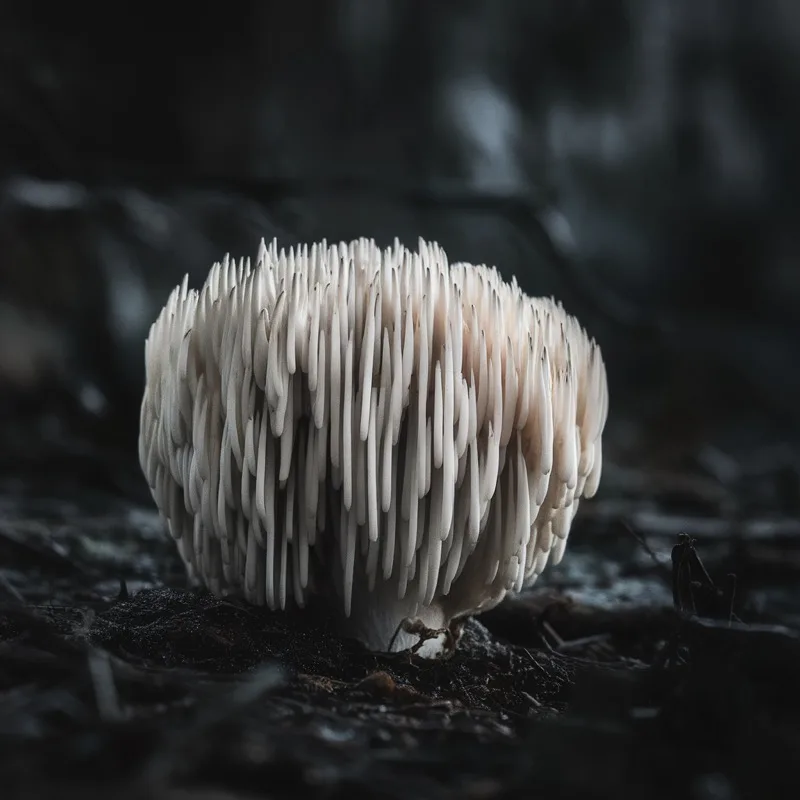
Hericium erinaceus
Hericium erinaceus is a saprotrophic fungus of the family Hericiaceae, commonly found on dead or wounded hardwood trees in North America, Europe, and Asia. Its morphology is characterized by a large, irregular, bulbous fruiting body with long, dangling spines, lacking a distinct cap or stipe. Key pharmacological properties are attributed to its unique bioactive compounds, including hericenones and erinacines, which have demonstrated neuroprotective and neurotrophic effects by stimulating nerve growth factor (NGF) synthesis in preclinical and clinical studies.
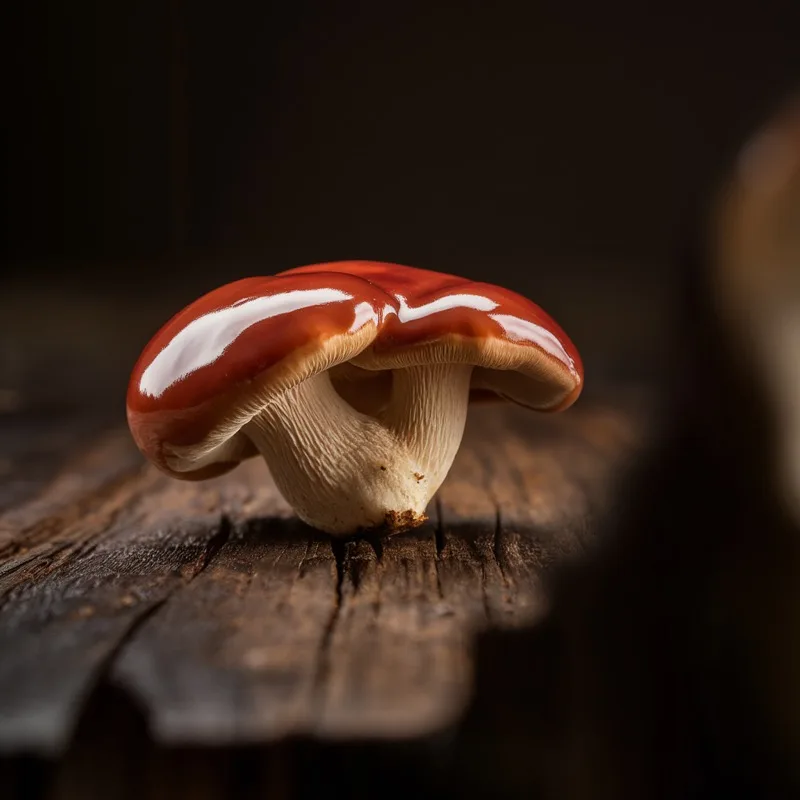
Ganoderma lucidum
Ganoderma lucidum is a polypore basidiomycetous fungus belonging to the family Ganodermataceae, characterized by its laccate cap surface and double-walled basidiospores. This large, woody mushroom thrives in hot and humid subtropical climates, growing on decaying hardwood, and is identified by its distinct red-varnished, fan-like or kidney-shaped cap. Its key pharmacological properties include immunomodulation, hepatoprotection, and adaptogenic effects, primarily mediated by its rich content of polysaccharides and over 130 identified triterpenoid compounds.
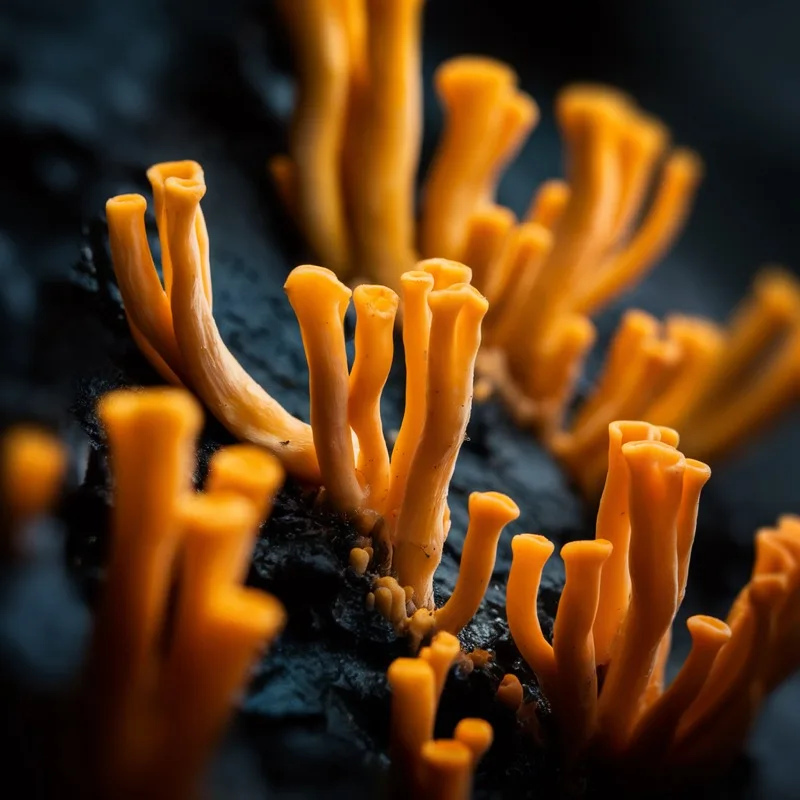
Cordyceps militaris
Cordyceps militaris is a parasitic ascomycete fungus belonging to the phylum Ascomycota, which primarily grows on the pupae of insects in the Northern Hemisphere. It is characterized by its bright orange-red, club-shaped fruiting body that emerges from the deceased host. This fungus is a source of several bioactive compounds, most notably cordycepin (3'-deoxyadenosine) and adenosine, which are nucleoside analogs with demonstrated effects on cellular energy metabolism, oxygen utilization, and anti-inflammatory pathways.
Click anywhere or press Escape to close