
The Complete Guide to Functional Mushrooms in 2026
Everything you need to know about the functional mushroom industry in 2026 — from lion's mane to reishi, what works, what doesn't, and how to choose the right supplement.

Board-Certified Physician · Medical Reviewer · Published February 10, 2026
📑 In This Article
- What Are Functional Mushrooms?
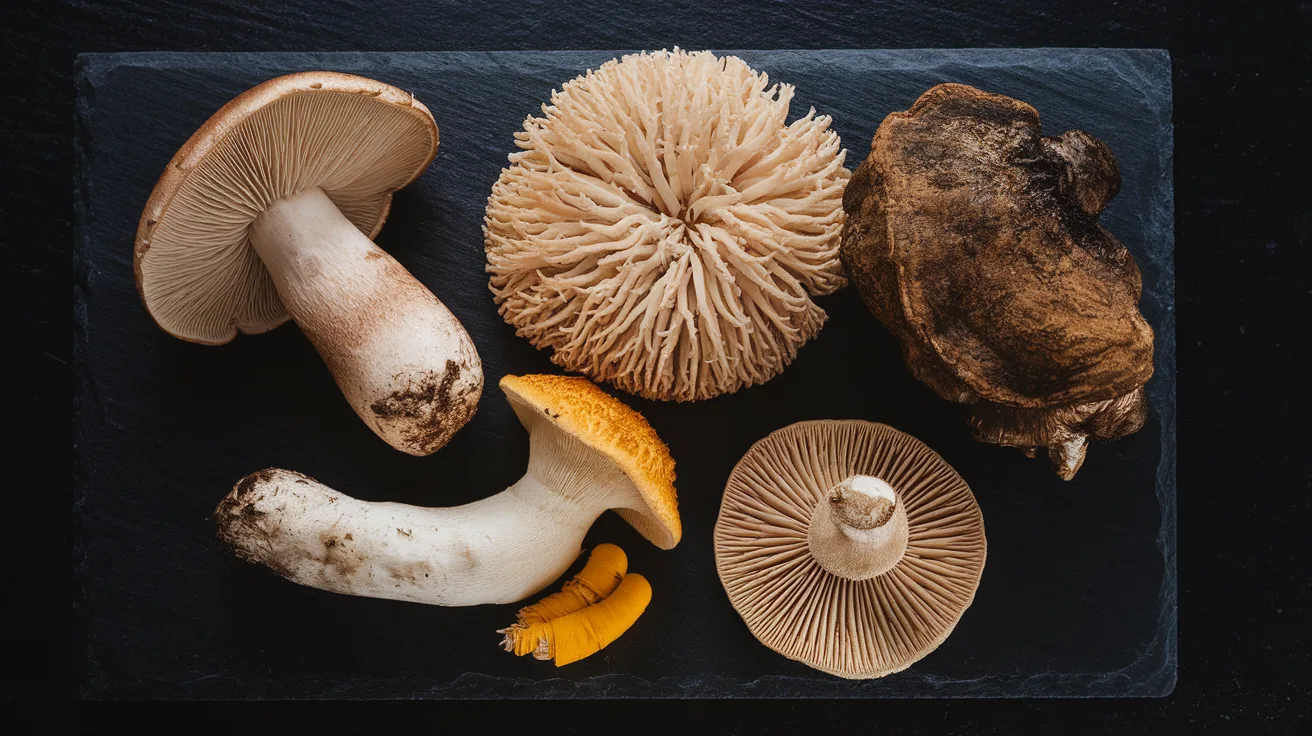
- The Big Six: Mushrooms You'll See Everywhere
- How to Choose a Quality Mushroom Supplement
- Product Formats: Gummies, Capsules, Powders, and More
- What the Science Actually Says
- Where to Buy
- The Bottom Line
- Product Formats: Which One Is Right for You
- The Most Important Thing Nobody Tells You
- Where to Buy and How to Find Quality Products
- Frequently Asked Questions
- The Quality Crisis: Why Most Mushroom Supplements Are Failing You
- Starting Your Journey: The 90-Day New User Protocol
- Evaluating Progress: How to Know the Protocol Is Working
Functional mushrooms have officially crossed from niche health-food territory into the mainstream. In 2026, the global functional mushroom market is projected to exceed $35 billion, and if you've walked into any headshop, health food store, or even a gas station recently, you've probably noticed the explosion of mushroom-infused products lining the shelves.
But with popularity comes confusion. Not all mushroom supplements are created equal, and the difference between a high-quality extract and a glorified sawdust capsule can be enormous. This guide breaks down everything you need to know.
What Are Functional Mushrooms?
Functional mushrooms are species used not primarily for culinary purposes but for their bioactive compounds — beta-glucans, triterpenes, ergosterol derivatives, and other molecules that may support immune function, cognitive performance, energy, and stress resilience.
The term "functional" distinguishes these from psychoactive or "magic" mushrooms containing psilocybin. While there's some overlap in popular culture (and on store shelves), functional mushrooms like lion's mane, reishi, and cordyceps are legal everywhere and don't produce any psychedelic effects.
The Big Six: Mushrooms You'll See Everywhere
Lion's Mane (Hericium erinaceus)
The darling of the nootropic world. Lion's mane contains hericenones and erinacines — compounds that stimulate nerve growth factor (NGF) production. Research suggests benefits for cognitive function, memory, and potentially neuroprotection. It's the mushroom most often marketed for focus and brain health. Learn more about lion's mane in our encyclopedia.
Reishi (Ganoderma lucidum)
Known as the "mushroom of immortality" in traditional Chinese medicine, reishi is primarily used for stress relief, sleep support, and immune modulation. Its triterpene content gives it a distinctive bitter taste. Most people take reishi in the evening. Explore our reishi profile.
Cordyceps (Cordyceps militaris)
The energy and athletic performance mushroom. Cordyceps may improve oxygen utilization and ATP production, making it popular with athletes and anyone looking for a natural energy boost without caffeine jitters. Read more about cordyceps.
Chaga (Inonotus obliquus)
A powerhouse of antioxidants. Chaga grows on birch trees and has one of the highest ORAC (Oxygen Radical Absorbance Capacity) scores of any food. It's traditionally used for immune support and general wellness. See our chaga breakdown.
Turkey Tail (Trametes versicolor)
Perhaps the most researched functional mushroom for immune support. Turkey tail contains PSK (polysaccharide-K), which has been studied extensively in Japan as an adjunct cancer therapy. It's also one of the richest sources of beta-glucans. Turkey tail details here.
Maitake (Grifola frondosa)
Often overshadowed by the others, maitake ("dancing mushroom") has strong research behind its immune-modulating and blood sugar-regulating properties. It contains a unique beta-glucan called D-fraction.
How to Choose a Quality Mushroom Supplement
This is where most people get it wrong. The mushroom supplement market is plagued by low-quality products that use mycelium-on-grain (essentially ground-up rice colonized by mushroom mycelium) instead of actual fruiting body extracts.
Fruiting Body vs. Mycelium on Grain
The fruiting body is the actual mushroom — the part you'd recognize. It contains the highest concentrations of bioactive compounds. Mycelium-on-grain products often contain 50-70% starch filler from the grain substrate. Always look for "fruiting body" on the label.
Extraction Method Matters
Beta-glucans are locked inside chitin cell walls that humans can't digest. Hot water extraction breaks these walls open, making the compounds bioavailable. Dual extraction (hot water + alcohol) captures both water-soluble beta-glucans and alcohol-soluble triterpenes. Raw mushroom powder is largely useless.
Check the COA
A Certificate of Analysis (COA) from a third-party lab verifies the beta-glucan content, checks for heavy metals, pesticides, and microbial contamination. Any reputable brand will provide a COA on request or on their website. Read our guide on interpreting COAs.
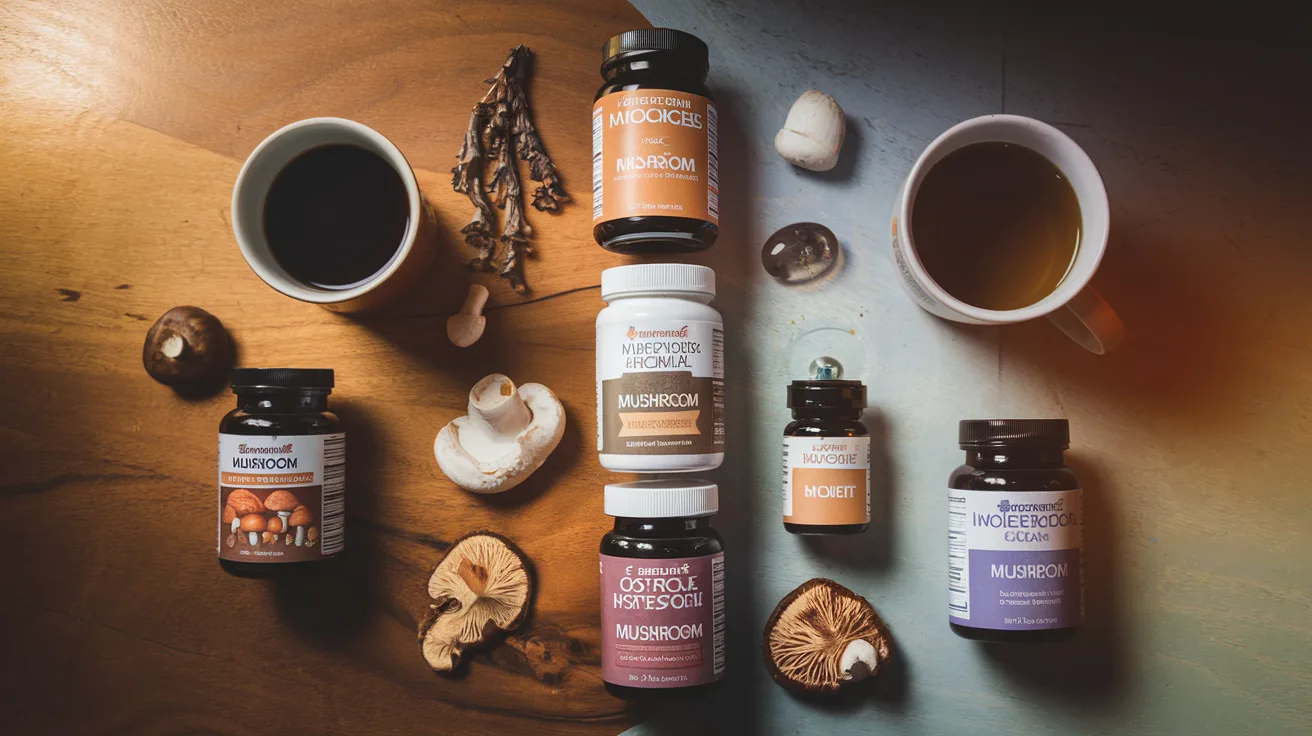
Product Formats: Gummies, Capsules, Powders, and More
The format you choose depends on your lifestyle and preferences:
- Gummies — Convenient and tasty, but check sugar content and actual mushroom dosage. Many gummies are under-dosed.
- Capsules — Easy to dose precisely. Look for veggie caps with no unnecessary fillers.
- Powders — Most versatile. Add to coffee, smoothies, or food. Usually the best value per serving.
- Tinctures — Fast absorption. Dual-extracted tinctures are ideal for reishi and chaga.
- Mushroom Coffee — A gateway product for many. Combines caffeine with functional mushrooms for balanced energy.
What the Science Actually Says
Let's be honest: while functional mushrooms have centuries of traditional use and promising preliminary research, most studies are in vitro (test tube) or in animal models. Human clinical trials are still limited, though growing rapidly.
The strongest human evidence exists for:
- Turkey tail PSK — Used as an approved adjunct therapy in Japan
- Lion's mane — A 2023 University of Queensland study confirmed it promotes nerve cell growth
- Cordyceps — Several small human trials show improved VO2 max and exercise performance
- Reishi — Moderate evidence for sleep quality improvement and immune modulation
Be wary of brands making disease-treatment claims. Functional mushrooms are supplements, not medicines.
Where to Buy
You can find mushroom supplements at local headshops and supplement stores, online retailers, and increasingly at mainstream pharmacies. For verified product comparisons with lab data, use our comparison tool to find the best option for your needs.
The Bottom Line
Functional mushrooms in 2026 represent one of the most exciting areas of natural supplementation. The key is being an informed consumer: prioritize fruiting body extracts, demand COAs, understand what each species actually does, and ignore the hype. Your brain, immune system, and wallet will thank you.
Ready to explore? Browse our Mushroom Encyclopedia for deep dives on every major species, or check out our brand directory for verified reviews.
Product Formats: Which One Is Right for You
Capsules: Most versatile format. Easy to dose precisely, no taste issues, portable. Ideal for people who want to separate mushroom intake from food or drinks. Must contain extracted material, not raw powder. Look for capsule products that specify extraction method and beta-glucan content on the label or COA.
Gummies: Best for consistency and palatability. Many people find gummies easier to remember to take than capsules. Good mushroom gummies use actual extracts; cheap ones use raw mycelium-on-grain powder covered by enough sugar to hide the taste. Check for fruiting body extract specification even in gummies.
Tinctures: Highest bioavailability format. Alcohol extraction captures compounds that water extraction misses. Sublingual absorption bypasses first-pass liver metabolism. Tinctures are the connoisseur format — worth the cost if you want maximum effect, particularly for reishi where triterpene content matters most and requires alcohol extraction.
Mushroom coffee: Gateway format that makes daily supplementation easy. The best mushroom coffees blend lion's mane and cordyceps with quality coffee. Popular brands include Four Sigmatic, RYZE, and MUDWTR. See our MUDWTR vs RYZE comparison and RYZE vs Four Sigmatic review for specific product analysis.
The Most Important Thing Nobody Tells You
Every first-time functional mushroom user makes the same mistake: they try one product at the recommended dose for two weeks, feel nothing definitive, and conclude "mushrooms don't work."
Here's why that happens. Most quality functional mushrooms work over 4-12 weeks of consistent use, not days. The exception is cordyceps for energy, where effects can be noticeable within a week. Lion's mane, reishi, turkey tail — these build cumulative changes in neural infrastructure and immune function. The Mori 2009 lion's mane trial ran 16 weeks. Two weeks tells you almost nothing.
Second: most people start at the wrong dose. Clinical trials use 1,800-3,000mg of lion's mane. Most bottles recommend 500mg. You may need 4-6 capsules per day to hit effective doses, which feels like a lot until you do the math on what studies actually showed results.
Third: quality varies enormously. Half the market is mycelium-on-grain — ground-up oats sold as mushroom medicine. Reading labels and COAs before buying will save you months of wondering why you're not noticing anything. Our fruiting body vs mycelium explainer covers this in detail that will prevent you from wasting your money.
Where to Buy and How to Find Quality Products
Options range from local headshops to smartshops to online specialty retailers. Each has tradeoffs in price, selection, and quality transparency. Our buying guide covers the full comparison with real price data. Bottom line: headshops for exploration and convenience; online direct-to-consumer brands for better pricing, wider selection, and stronger COA transparency on regular purchases.
Frequently Asked Questions
Can I take multiple functional mushrooms at the same time?
Yes, and many practitioners recommend it. Different species target different pathways with minimal overlap or competition. The most common "big four" combination: lion's mane (cognition), cordyceps (energy), reishi (stress/sleep), turkey tail (immune). This covers most wellness goals efficiently. Add one new species every 1-2 weeks rather than starting everything simultaneously, so you can identify what's helping and catch any unusual reactions early.
Are functional mushrooms safe for kids?
Most have been consumed as food in East Asian cultures for centuries, including by children. Clinical studies focus on adults. For children, lower doses and consultation with a pediatrician are advisable before starting any supplement regimen. Turkey tail tea, lion's mane in food form (it's genuinely delicious sautéed), and shiitake as food are reasonable starting points that don't require the concentrated extract framing.
Do functional mushrooms interact with medications?
Most documented interactions: reishi + blood thinners (possible enhanced anticoagulant effect), lion's mane + blood thinners (same), turkey tail + immunosuppressants (may counteract), cordyceps + diabetes medication (additive blood sugar lowering). If you're on prescription medications, bring your supplement list to your next appointment. For healthy adults on no medications, functional mushroom supplementation at recommended doses has an excellent safety profile across all major species.
How do I find quality functional mushroom products?
Three steps: 1) Look for "fruiting body extract" on the label. 2) Request or find the third-party COA showing beta-glucan content (20%+ minimum) and heavy metals panel. 3) Compare options using ShrooMap's tools. Browse our capsules, gummies, and mushroom coffee categories for curated quality-verified options, and use our headshop finder if you prefer buying in person.
What's the difference between adaptogens and functional mushrooms?
Adaptogens are a functional category — substances that help the body adapt to stress and maintain homeostasis. Not all adaptogens are mushrooms (ashwagandha, rhodiola, ginseng are adaptogens but not mushrooms), and not all functional mushrooms are adaptogens (turkey tail is primarily an immune modulator). Reishi and cordyceps are both functional mushrooms AND adaptogens. The terms overlap but aren't synonymous. When marketing calls something an "adaptogenic mushroom blend," they're usually emphasizing reishi and/or cordyceps content.
The Quality Crisis: Why Most Mushroom Supplements Are Failing You
I want to be blunt about something that most mushroom supplement content glosses over: a substantial proportion of functional mushroom supplements sold in the United States, United Kingdom, and Europe contain minimal to no actual therapeutic mushroom compounds. This isn't a niche problem — it's the dominant reality of the market.
The Consumer Lab report from 2021 tested 19 functional mushroom supplement products. Seven (37%) contained less than 5% beta-glucans. Three (16%) contained less than 1% beta-glucans. The product that tested worst contained 0.08% beta-glucans — an amount so low that you'd need to take 50x the label dose to approach a therapeutic level. That product retailed for $45 for a 60-day supply and was sold at major health food retailers.
The Nammex analysis I referenced earlier found similar patterns. An internal analysis by Hanaé Armitage's group at the University of Hawaii found that many products labeled as "mushroom extract" were actually mycelium biomass — the root-like structure grown on grain — rather than the fruiting body that contains the actual medicinal compounds. When they tested alpha-glucan versus beta-glucan ratios, several products showed alpha-glucan (starch) levels of 40-50%, indicating the product was primarily grain substrate.
This isn't fraud in the criminal sense — there are no FDA standards specifying what constitutes a "mushroom extract" or minimum beta-glucan content. Brands can sell grain starch as "mushroom extract" because no regulation prevents them from doing so. The market is operating in a quality vacuum, and consumers are bearing the cost in both money and missed health benefits.
What this means practically: if you've tried lion's mane or reishi and thought "this doesn't do anything," the most likely explanation is that what you tried contained negligible amounts of active compounds. You weren't wrong that mushrooms don't work for you — you were just given a placebo labeled as medicine. The solution is the verification process: COA, beta-glucan percentage, fruiting body sourcing, third-party testing. These aren't optional sophistications for supplement nerds. They're the minimum requirements for buying a product that actually does what it says.
Find quality-verified products across all formats in our curated categories: capsules, gummies, tinctures, and mushroom coffee. Every product featured on ShrooMap has been evaluated for quality criteria including sourcing transparency, extraction method, beta-glucan content where documented, and COA availability.
Starting Your Journey: The 90-Day New User Protocol
For people completely new to functional mushrooms who feel overwhelmed by the options, here's a structured 90-day entry protocol that starts simply and builds toward a comprehensive routine.
Days 1-30: Foundation with Lion's Mane. Start here. Lion's mane has the most evidence for cognitive benefits, the best safety profile, and produces the most noticeable subjective effects that confirm you're taking something real. Use 1,500-2,000mg daily of verified fruiting body extract. Take with breakfast and fat. Track your cognitive function weekly with a simple test (brain training apps work fine). Evaluate at day 30: do you notice clearer thinking, better word retrieval, less brain fog? Most people answer yes after 4 weeks of quality lion's mane at adequate doses.
Days 31-60: Add Energy and Immune Support. If lion's mane is working well and you haven't had adverse reactions, add cordyceps (1,500mg morning) for energy and athletic performance, and turkey tail (1,500mg any time with food) for immune support. You now have a three-mushroom daily protocol covering cognition, energy, and immune function. Continue tracking cognitive metrics; also note whether exercise feels different and whether you get sick less frequently. The immune effects from turkey tail won't be obvious for a full season, but cognitive and energy effects from this three-species stack are typically noticeable within the first two weeks of the expanded protocol.
Days 61-90: Add Restoration and Longevity. Add reishi (1,500mg, 1-2 hours before bed) for sleep quality, stress modulation, and the adaptogenic effects that complement the other species. This completes the core "big four" functional mushroom protocol that many practitioners recommend as a comprehensive daily foundation. Optionally add chaga (1,000mg morning) for antioxidant defense if you exercise intensely or have significant environmental stressor exposure. Evaluate at day 90: compare your cognitive test scores to baseline, note sleep quality trends, reflect on overall energy and stress resilience. This baseline-to-90-day evaluation provides actual data rather than impressions.
This protocol takes you from zero to a comprehensive functional mushroom foundation over three months. At that point you'll know from personal experience what these compounds do for your specific biology — information that no article, no matter how well-researched, can give you. The guide points you in the right direction; your 90-day experiment gives you the personalized data. Quality products for every step of this protocol are in our capsules, gummies, and mushroom coffee categories. Use headshop and smartshop finders for in-person sourcing options.
Evaluating Progress: How to Know the Protocol Is Working
After following a functional mushroom protocol for 8-12 weeks, how do you evaluate whether it's actually working? This question is more complex than it sounds, because functional mushrooms don't produce felt pharmacological effects the way coffee or melatonin do. The benefits are real but typically subtle and cumulative.
For cognitive benefits (lion's mane): use objective metrics rather than subjective impressions. Brain training apps (Lumosity, Dual N-Back, Cambridge Brain Sciences) provide standardized measurements of specific cognitive functions. Track your scores weekly from baseline. A 10-15% improvement in processing speed or working memory after 8-12 weeks of adequate-dose lion's mane is a realistic expectation and will show in your scores. You may also notice qualitative changes: fewer "word on the tip of my tongue" moments, better retention in meetings, faster recovery from mentally fatiguing tasks.
For energy benefits (cordyceps): track athletic performance metrics — pace per mile, watts on a bike, heart rate at a standardized effort level. A measurable improvement in VO2 max proxies (lower heart rate at the same pace, or the same heart rate at a higher pace) after 4-6 weeks is what the research predicts. If you don't have structured athletic training, the simpler metric is: does your daily energy feel more stable? Do you experience fewer afternoon energy crashes? These are harder to quantify but real outcomes.
For immune benefits (turkey tail): track illness frequency. How often did you get sick in the previous 6 months vs the 6 months of turkey tail supplementation? Also track gut health markers — changes in digestion, frequency of bloating or GI discomfort, and stool consistency are all indicators of gut microbiome changes that turkey tail's prebiotic effects should influence. These are the least dramatic visible changes but may be among the most significant long-term health investments you're making.
For stress and sleep benefits (reishi): track sleep metrics (if you use a wearable device, deep sleep percentage and sleep consistency are the most relevant metrics). Also track perceived stress levels on a simple 1-10 scale weekly. After 4-6 weeks of consistent reishi supplementation, many users report a "higher floor" for stress — the same objective stressors feel less overwhelming, and they bounce back from stressful events faster. This is the HPA axis modulation working as the research predicts.
If after 12 weeks of quality products at adequate doses your tracked metrics show no meaningful change, consider: are you taking them consistently every day? Are the products quality (COA verified)? Are there confounding factors (major life stressors, poor sleep, dietary changes) that might be masking the benefits? Most "functional mushrooms didn't work for me" conclusions are premature, underdosed, or based on poor-quality products. Run the protocol correctly — quality, dose, consistency, time, measurement — before drawing conclusions. Find all the tools you need to run it correctly through ShrooMap's curated categories and guides.
Tags
Medically Reviewed By
Dr. Igor I. Bussel, MD
Board-certified physician affiliated with the University of California, Irvine (UCI), the Gavin Herbert Eye Institute, and the UCI School of Medicine.
Related Articles

⚖️ Product Comparisons
Explore the Mushroom World
Dive deeper into species profiles, compare products, and find stores near you.